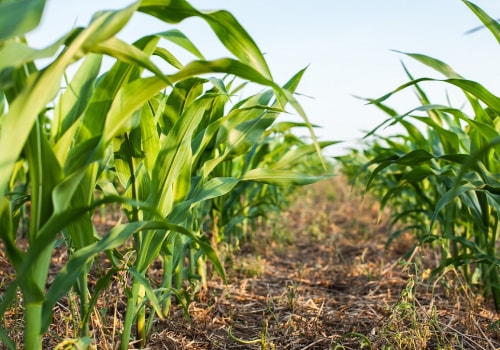
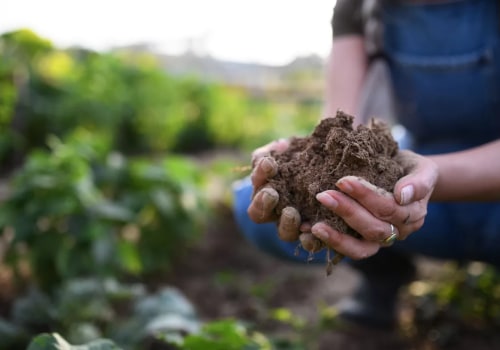
Regenerative agriculture is an innovative approach to farming that seeks not only to sustain but to actively improve the health of our ecosystems. At its core, this practice emphasizes the restoration of soil health, enhancement of biodiversity, and the promotion of ecosystem services. Unlike conventional agricultural methods that often deplete resources and harm the environment, regenerative agriculture aims to regenerate the land, leaving it in a better state for future generations.The principles of regenerative agriculture are grounded in a holistic understanding of farming systems. Key practices include crop rotation, cover cropping, reduced tillage, and agroforestry.
These methods work synergistically to build soil organic matter, increase water retention, and enhance nutrient cycling. By fostering a diverse range of plants and animals within agricultural landscapes, regenerative practices can create resilient ecosystems that are better equipped to withstand climate change and other environmental stresses.The benefits of adopting regenerative agriculture extend far beyond environmental restoration. Farmers who implement these practices often experience improved crop yields and reduced input costs over time. Healthier soils lead to more nutritious crops, which can enhance food quality and safety.
Additionally, regenerative agriculture has the potential to sequester carbon dioxide from the atmosphere, playing a crucial role in mitigating climate change. As we face increasing challenges related to food security and environmental degradation, understanding and embracing regenerative agriculture becomes essential for creating sustainable food systems.
General Mills' Commitment to Regenerative Agriculture
General Mills has set an ambitious goal to implement regenerative agriculture practices on 1 million acres by the year 2030. This initiative is not merely a corporate responsibility effort; it represents a fundamental shift in how the company approaches its agricultural supply chain and sustainability initiatives. By focusing on regenerative practices, General Mills aims to enhance soil health, increase biodiversity, and improve ecosystem services, all of which are critical for long-term agricultural productivity and environmental health.The commitment to regenerative agriculture aligns with broader environmental goals, including reducing greenhouse gas emissions and promoting sustainable land use.General Mills recognizes that traditional farming methods can deplete soil nutrients and contribute to climate change. In contrast, regenerative agriculture seeks to restore and revitalize the land, making it more resilient against climate impacts.To achieve this goal, General Mills is taking a multi-faceted approach:
- Farmer Engagement: The company is actively engaging with farmers to provide personalized technical support and training. This hands-on approach ensures that farmers are equipped with the knowledge and tools necessary to transition to regenerative practices.
- Strategic Partnerships: Collaborations with organizations such as the American Farmland Trust and Rodale Institute are crucial for accelerating the adoption of regenerative techniques in key agricultural regions. These partnerships facilitate knowledge sharing and resource allocation.
- Funding Initiatives: General Mills is also collaborating with the National Fish and Wildlife Foundation (NFWF) to fund projects that promote regenerative agriculture across various crops, including wheat.
These initiatives aim to demonstrate the tangible benefits of regenerative practices.
Key Strategies for Implementation
To effectively implement regenerative agriculture, General Mills has devised a comprehensive strategy that encompasses various facets of support and collaboration.This multi-pronged approach is designed to empower farmers, enhance agricultural practices, and foster sustainable ecosystems.
Personalized Technical Support for Farmers
One of the cornerstones of General Mills' strategy is providing tailored technical assistance to farmers transitioning to regenerative practices. By offering personalized support, the company aims to address the unique challenges faced by individual farmers. This includes:
- On-site Training: Farmers receive hands-on training in regenerative techniques, such as cover cropping, crop rotation, and reduced tillage. This practical guidance helps them understand how to implement these methods effectively.
- Resource Access: General Mills connects farmers with resources, including soil health assessments and data analytics tools, enabling them to make informed decisions about their farming practices.
- Continuous Learning: The company fosters a culture of continuous improvement by organizing workshops and field days where farmers can share experiences and learn from one another.
Strategic Partnerships with Organizations
In addition to direct farmer support, General Mills recognizes the importance of collaboration with various organizations to amplify its impact.
By forming strategic partnerships, the company can:
- Leverage Expertise: Collaborating with organizations like the American Farmland Trust and Rodale Institute allows General Mills to tap into specialized knowledge and research on regenerative agriculture.
- Accelerate Adoption: These partnerships facilitate the rapid dissemination of regenerative practices across key agricultural regions, ensuring that more farmers can benefit from these sustainable methods.
- Enhance Visibility: Working alongside reputable organizations enhances the credibility of General Mills' initiatives, encouraging more farmers to participate in regenerative programs.
Collaborative Projects Promoting Regenerative Practices
General Mills is also actively involved in collaborative projects that showcase the benefits of regenerative agriculture. For instance, initiatives like intercropping in Saskatchewan demonstrate how planting multiple crops together can improve soil health and biodiversity. These projects serve as real-world examples of successful regenerative practices, inspiring other farmers to adopt similar methods.Through these key strategies—personalized farmer support, strategic partnerships, and collaborative projects—General Mills is not only working towards its goal of implementing regenerative agriculture on 1 million acres by 2030 but also setting a precedent for sustainable farming practices across the industry.
Case Studies of Successful Projects
General Mills has embarked on several innovative projects that exemplify the principles of regenerative agriculture. These case studies not only highlight the effectiveness of these practices but also serve as a model for other agricultural initiatives.Intercropping in Saskatchewan
One of the standout projects is the intercropping initiative in Saskatchewan, Canada.This method involves planting two or more crops together in the same field, which has been shown to enhance soil health and increase biodiversity. By combining crops such as peas and canola, farmers can improve nutrient cycling and reduce the need for synthetic fertilizers. This practice not only boosts crop yields but also helps in pest management by creating a more balanced ecosystem.The intercropping project has demonstrated significant benefits, including:
- Improved Soil Structure: The diverse root systems of different crops help to aerate the soil and improve its structure, leading to better water retention and reduced erosion.
- Biodiversity Enhancement: By planting multiple species, farmers can attract beneficial insects and pollinators, which contribute to a healthier agricultural environment.
- Increased Resilience: Diverse cropping systems are more resilient to pests and diseases, reducing the reliance on chemical interventions.
Collaboration with the National Fish and Wildlife Foundation (NFWF)
In addition to intercropping, General Mills has partnered with the National Fish and Wildlife Foundation (NFWF) to promote regenerative practices across various crops, including wheat. This collaboration focuses on funding projects that aim to restore ecosystems while enhancing agricultural productivity.The partnership with NFWF has led to several impactful initiatives:- Habitat Restoration: Projects funded by this collaboration work towards restoring natural habitats that support wildlife, thereby promoting biodiversity.
- Water Quality Improvement: By implementing regenerative practices, these projects aim to reduce runoff and improve water quality in surrounding ecosystems.
- Carbon Sequestration: The initiatives also focus on practices that enhance soil carbon storage, contributing to climate change mitigation efforts.
By investing in innovative practices like intercropping and collaborating with organizations like NFWF, they are paving the way for a more sustainable agricultural future.
The Role of Partnerships in Advancing Regenerative Practices
In the pursuit of advancing regenerative agriculture, partnerships play a crucial role in amplifying the impact and reach of initiatives. General Mills recognizes that collaboration with various organizations can significantly enhance their efforts to implement sustainable practices across vast agricultural landscapes. One of the key alliances is with the American Farmland Trust , an organization dedicated to protecting farmland, promoting sustainable farming practices, and ensuring a healthy environment for future generations.The partnership with the American Farmland Trust allows General Mills to leverage their expertise in land conservation and sustainable agriculture. Together, they work on projects that not only focus on improving soil health but also on preserving the integrity of farmland.This collaboration is vital as it helps farmers transition to regenerative practices by providing them with the necessary resources, training, and support. By pooling knowledge and resources, both organizations can create a more significant impact on local farming communities.Another significant collaboration is with Walmart , one of the largest retailers in the world. This partnership aims to fund and promote sustainable agricultural practices across several states, including Colorado, Kansas, Minnesota, Nebraska, North Dakota, Oklahoma, and South Dakota. By joining forces with Walmart, General Mills can reach a broader audience and implement regenerative practices on a larger scale.The collaboration focuses on improving soil health, enhancing water quality, and increasing carbon sequestration for crops like wheat.
Walmart's extensive supply chain provides an excellent platform for disseminating information about regenerative agriculture practices to farmers who may not be aware of these methods. This partnership not only benefits the environment but also supports farmers in adopting practices that can lead to increased yields and improved livelihoods.Moreover, these partnerships foster innovation by encouraging knowledge sharing among stakeholders. Farmers involved in these initiatives can learn from each other’s experiences and successes, creating a community of practice that promotes continuous improvement in regenerative techniques. As more farmers adopt these methods, the collective impact on soil health and biodiversity becomes increasingly significant.In conclusion, partnerships are essential for advancing regenerative agriculture.
Collaborations with organizations like the American Farmland Trust and Walmart enhance General Mills' ability to implement effective strategies that benefit both farmers and the environment. By working together, these alliances not only promote sustainable practices but also pave the way for a more resilient agricultural future.
Challenges and Opportunities in Regenerative Agriculture
Transitioning to regenerative agriculture presents a unique set of challenges and opportunities for farmers. Understanding these factors is crucial for those looking to adopt more sustainable practices while also enhancing their economic viability.Challenges in Regenerative Agriculture
One of the primary challenges farmers face when shifting to regenerative practices is the initial investment required. This includes costs associated with new equipment, seeds, and training.Many farmers may find it difficult to allocate funds for these changes, especially if they are already operating on tight margins.Additionally, there is often a steep learning curve involved in implementing regenerative techniques. Farmers must familiarize themselves with practices such as cover cropping, crop rotation, and holistic grazing management. This can be time-consuming and may require guidance from experts or peer networks.Another significant challenge is the uncertainty surrounding market demand for products grown using regenerative methods. While consumer interest in sustainability is growing, establishing a reliable market for these products can be difficult.
Farmers may worry about whether they will receive a premium price for their crops or if they will be able to sell them at all.
Opportunities for Farmers
Despite these challenges, the opportunities presented by regenerative agriculture are substantial. One of the most significant benefits is the improvement of soil health. By focusing on practices that enhance soil structure and biodiversity, farmers can increase their land's productivity over time. Healthier soils lead to better water retention, reduced erosion, and increased resilience against pests and diseases.Moreover, adopting regenerative practices can lead to long-term economic benefits.Farmers who successfully transition may find that their input costs decrease over time due to reduced reliance on synthetic fertilizers and pesticides. Additionally, healthier crops often yield higher profits due to improved quality and marketability.Furthermore, there is a growing consumer base willing to pay a premium for sustainably produced food. As awareness of environmental issues increases, consumers are increasingly seeking out products that align with their values. This trend presents an opportunity for farmers to differentiate themselves in the marketplace.In conclusion, while the transition to regenerative agriculture comes with its set of challenges, the potential rewards—both environmentally and economically—are significant.
By investing in education and resources, farmers can navigate these challenges effectively and contribute to a more sustainable agricultural future.
The Future of Regenerative Agriculture at General Mills
The future of regenerative agriculture at General Mills is poised to be transformative, not only for the company but also for the broader global food systems. As the world faces increasing challenges such as climate change, soil degradation, and biodiversity loss, General Mills is committed to leading the charge towards a more sustainable agricultural model that prioritizes regeneration over mere sustainability.One of the key long-term goals of General Mills is to implement regenerative practices on 1 million acres by 2030. This ambitious target reflects a deep understanding of the interconnectedness of agriculture and environmental health. By focusing on improving soil health, enhancing biodiversity, and promoting ecosystem services, General Mills aims to create a resilient agricultural system that can withstand the pressures of climate change.To achieve these goals, General Mills is investing in innovative research and development initiatives that explore new regenerative techniques.For instance, they are examining cover cropping, crop rotation, and agroforestry as methods to enhance soil fertility and reduce reliance on chemical inputs. These practices not only improve soil health but also contribute to carbon sequestration, helping mitigate climate change.Moreover, the company recognizes that collaboration is essential for success. By partnering with farmers, agricultural organizations, and research institutions, General Mills is fostering a community of practice that encourages knowledge sharing and innovation. This collaborative approach ensures that farmers receive the necessary support and resources to transition to regenerative practices effectively.As General Mills continues to expand its regenerative agriculture initiatives, the potential impact on global food systems could be profound.
By prioritizing regenerative methods, the company can help create a more sustainable food supply chain that benefits not only farmers but also consumers and ecosystems alike. The shift towards regenerative agriculture could lead to healthier food options, improved nutrition, and a reduced environmental footprint.In conclusion, the future of regenerative agriculture at General Mills is bright and full of promise. With clear long-term goals and a commitment to innovation and collaboration, the company is well-positioned to make a significant impact on both local farming communities and global food systems. As they pave the way for a more sustainable future, other companies may follow suit, amplifying the positive effects of regenerative practices across the agricultural landscape.
Conclusion: The Path Forward for Sustainable Agriculture
As we reflect on the transformative potential of regenerative agriculture, it becomes clear that this approach is not merely a trend but a necessary evolution in our agricultural practices.The commitment of General Mills to implement regenerative practices across 1 million acres by 2030 exemplifies a proactive stance towards fostering a sustainable future. This initiative highlights the critical intersection of environmental stewardship and agricultural productivity, demonstrating that these goals can coexist harmoniously.Throughout this article, we have explored the multifaceted strategies employed by General Mills to promote regenerative agriculture. From providing tailored technical support to farmers in Central Kansas to forming strategic partnerships with organizations like the American Farmland Trust and Rodale Institute, General Mills is laying the groundwork for a robust regenerative framework. These efforts not only aim to enhance soil health and biodiversity but also seek to empower farmers by equipping them with the knowledge and resources necessary for successful transitions.Moreover, the collaboration with the National Fish and Wildlife Foundation to fund projects that showcase the benefits of regenerative practices on various crops, including wheat, underscores the importance of evidence-based approaches in driving adoption.
The intercropping project in Saskatchewan serves as a prime example of how innovative techniques can lead to improved soil health and increased crop resilience.As we look ahead, it is essential for other companies and stakeholders in the agricultural sector to take note of General Mills' commitment. By prioritizing farmer involvement and focusing on practical solutions rather than mere certification, they are setting a benchmark for responsible corporate behavior in agriculture. The partnership with Walmart further amplifies this message, demonstrating that collective action can lead to significant improvements in soil health, water quality, and carbon sequestration across multiple states.In conclusion, the path forward for sustainable agriculture lies in embracing regenerative agriculture as a core principle. The initiatives led by General Mills not only contribute to a healthier planet but also inspire a new generation of farmers and businesses to adopt practices that prioritize ecological balance.
As we move towards a more sustainable future, it is imperative that we continue to support and expand these efforts, ensuring that our agricultural systems are resilient, productive, and capable of nourishing both people and the planet for generations to come.