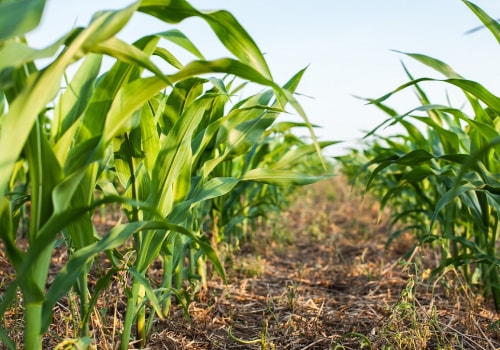
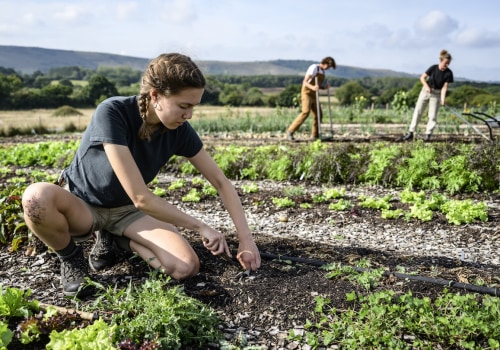
Regenerative agriculture is an innovative approach to farming that seeks to restore and enhance the health of ecosystems while simultaneously improving agricultural productivity. Unlike conventional farming methods that often deplete soil health and biodiversity, regenerative agriculture focuses on practices that rejuvenate the land, promote biodiversity, and sequester carbon in the soil. This holistic approach not only addresses environmental concerns but also offers a pathway for farmers to achieve greater economic resilience.At its core, regenerative agriculture is built on several key principles. These include minimizing soil disturbance, maintaining soil cover, promoting biodiversity, and integrating livestock into crop production systems.
By reducing tillage and using cover crops, farmers can protect the soil from erosion and enhance its organic matter content. This leads to improved water retention and nutrient cycling, which are essential for sustainable crop yields. Furthermore, by diversifying crops and incorporating livestock, farmers can create a more balanced ecosystem that supports beneficial insects and microorganisms.The benefits of regenerative agriculture extend beyond environmental restoration. Farmers who adopt these practices often experience increased profitability through reduced input costs and access to premium markets.
As consumers become more aware of the environmental impact of their food choices, there is a growing demand for products that are produced sustainably. Regenerative agriculture not only meets this demand but also allows farmers to differentiate their products in a crowded marketplace.In summary, regenerative agriculture represents a transformative shift in how we think about food production. By prioritizing ecological health alongside economic viability, it offers a sustainable solution to some of the most pressing challenges facing modern agriculture today. As we delve deeper into this topic, we will explore specific practices and their economic implications, providing a comprehensive understanding of how regenerative agriculture can benefit both farmers and the planet.
The Economic Landscape of Agriculture
The economic landscape of agriculture is undergoing significant transformation, driven by the pressing need to address the limitations and challenges associated with traditional farming practices.Conventional agriculture, while historically successful in increasing food production, faces numerous economic hurdles that threaten its sustainability and profitability.One of the primary challenges in conventional farming is the rising cost of inputs. Farmers are increasingly burdened by expenses related to fertilizers, pesticides, and water resources. These inputs not only strain their budgets but also contribute to environmental degradation, leading to long-term soil health issues. As a result, many farmers find themselves caught in a cycle of dependency on these costly inputs, which can diminish their profit margins over time.Moreover, fluctuating market prices for agricultural products add another layer of complexity.
Farmers often face unpredictable price swings due to factors such as climate change, trade policies, and global market dynamics. This volatility can make it difficult for farmers to plan their operations effectively and secure stable income streams.In addition to these economic pressures, conventional farming methods are increasingly criticized for their environmental impact. Soil erosion, loss of biodiversity, and water pollution are just a few consequences that arise from intensive farming practices. These issues not only affect the land but also pose risks to public health and local economies.As consumers become more aware of these challenges, there is a growing demand for sustainable and ethically produced food.
This shift in consumer preferences presents both a challenge and an opportunity for farmers. Those who continue to rely on traditional methods may struggle to compete in a market that increasingly values sustainability.In light of these economic realities, the transition towards regenerative agriculture emerges as a viable solution. By adopting practices that restore soil health and enhance biodiversity, farmers can reduce their reliance on external inputs while improving their resilience against market fluctuations. This not only benefits the environment but also positions farmers to tap into new markets that prioritize sustainability.Ultimately, understanding the current economic landscape is crucial for recognizing the necessity of regenerative practices in agriculture.
As traditional farming faces mounting challenges, regenerative agriculture offers a pathway towards greater economic stability and environmental stewardship.
How Regenerative Agriculture Enhances Profitability
Transitioning to regenerative agriculture not only benefits the environment but also significantly enhances the profitability of farming operations. Farmers who adopt these practices often experience a remarkable increase in their financial returns, driven by several key factors.One of the primary ways regenerative agriculture boosts profitability is through improved soil health. Healthy soils lead to better crop yields, which directly translates to higher income. According to a study by the Rodale Institute, farms practicing regenerative methods can see yield increases of up to 30% compared to conventional farming.This increase is attributed to enhanced nutrient cycling, improved water retention, and greater resilience against pests and diseases.
Access to Premium Markets
Another significant financial benefit comes from accessing premium markets. Consumers are increasingly seeking out sustainably produced goods, and regenerative agriculture fits this demand perfectly. Farmers can command higher prices for their products by marketing them as organic or sustainably grown. A report from Boston Consulting Group indicates that regenerative farmers can earn 15% to 25% more per unit sold compared to their conventional counterparts.Case Studies Highlighting Financial Success
Numerous case studies illustrate the financial advantages of regenerative practices:- White Oak Pastures: This Georgia-based farm transitioned to regenerative practices and reported a 300% increase in profitability over five years.
By diversifying their product offerings and focusing on high-value meats, they tapped into niche markets that prioritize sustainability.
- The Rodale Institute: Their long-term trials have shown that regenerative systems not only maintain yields but also reduce input costs over time, leading to greater overall profitability.
- Green Mountain Farm: Located in Vermont, this farm adopted cover cropping and rotational grazing techniques, resulting in a 40% reduction in fertilizer costs while simultaneously increasing crop yields.
Accessing New Markets and Premium Pricing
As the demand for sustainable and ethically produced food continues to rise, regenerative agriculture offers farmers a unique opportunity to tap into new markets and achieve premium pricing for their products. This shift in consumer preferences is driven by a growing awareness of environmental issues, health concerns, and the desire for transparency in food sourcing.Farmers who adopt regenerative practices can differentiate their products in a crowded marketplace. By focusing on soil health, biodiversity, and ecosystem restoration, these farmers not only improve the quality of their crops but also align with the values of conscious consumers.This alignment can lead to access to niche markets that prioritize sustainability.
Market Opportunities in Regenerative Agriculture
The market for regenerative products is expanding rapidly. Consumers are increasingly seeking out foods that are not only organic but also produced through methods that enhance the environment. This trend is evident in various sectors, including:- Organic Food Stores: Many organic retailers are now prioritizing regenerative products, offering them at premium prices due to their added environmental benefits.
- Farmers' Markets: Local markets provide an excellent platform for regenerative farmers to connect directly with consumers who value sustainable practices.
- Online Retail: E-commerce platforms focused on sustainability are emerging, allowing farmers to reach a broader audience willing to pay more for responsibly sourced goods.
Premium Pricing for Sustainable Products
One of the most significant advantages of transitioning to regenerative agriculture is the potential for premium pricing. Research indicates that consumers are willing to pay more for products that are certified as regenerative or sustainably produced.This willingness stems from a desire to support farming practices that contribute positively to the environment and society.Farmers can leverage certifications such as Regenerative Organic Certification (ROC) or other third-party endorsements to validate their practices and justify higher prices. These certifications not only enhance credibility but also attract consumers who are increasingly scrutinizing the origins of their food.
Consumer Demand for Regenerative Goods
The surge in consumer demand for regenerative goods is not just a passing trend; it reflects a fundamental shift in how people view food production. As more individuals become aware of the detrimental effects of conventional farming on soil health and climate change, they are actively seeking alternatives that promote sustainability.This growing consumer base is particularly evident among younger generations, who prioritize environmental stewardship and ethical consumption. By embracing regenerative agriculture, farmers can position themselves at the forefront of this movement, ensuring their products resonate with a market that values sustainability.In conclusion, accessing new markets and commanding premium prices through regenerative agriculture is not only feasible but increasingly essential in today’s economy.By aligning with consumer values and investing in sustainable practices, farmers can secure their financial future while contributing positively to the planet.
Investment and Infrastructure Needs for Transitioning to Regenerative Practices
Transitioning to regenerative agriculture requires a multifaceted approach that encompasses significant investments and the development of robust infrastructure. Farmers looking to adopt these sustainable practices often face financial barriers and a lack of resources, making it essential to identify viable funding options and infrastructure needs.Investment in Regenerative Agriculture
Investments in regenerative agriculture can take various forms, including:
- Financial Support: Grants, loans, and subsidies specifically aimed at farmers transitioning to regenerative practices can alleviate the initial financial burden. Programs offered by government agencies, non-profits, and private organizations are crucial in providing the necessary capital.
- Technical Assistance: Access to expert advice and training is vital for farmers unfamiliar with regenerative methods. Workshops, online courses, and mentorship programs can equip them with the knowledge needed to implement these practices effectively.
- Research and Development: Funding for research into innovative regenerative techniques can lead to improved crop yields and soil health.
Collaborations between universities, agricultural extension services, and farmers can foster advancements in this field.
Infrastructure for Sustainable Farming
The infrastructure required for regenerative agriculture includes:
- Soil Health Monitoring Systems: Implementing technology that monitors soil health can help farmers make informed decisions about their practices. This includes sensors that measure moisture levels, nutrient content, and microbial activity.
- Irrigation Systems: Efficient irrigation systems that minimize water waste are essential. Drip irrigation or rainwater harvesting systems can support sustainable water use while enhancing crop resilience.
- Storage Facilities: Adequate storage facilities are necessary for preserving harvested crops without relying on chemical preservatives. This infrastructure helps maintain product quality and extends shelf life.
Funding Options for Farmers Transitioning to Regenerative Methods
A variety of funding options exist to support farmers in their transition:
- Government Grants: Many federal and state programs offer grants specifically for sustainable farming initiatives.
These funds can be used for purchasing equipment or implementing new practices.
- Private Investments: Impact investors are increasingly interested in funding regenerative agriculture projects that promise both environmental benefits and financial returns.
- Crowdfunding Platforms: Farmers can leverage crowdfunding platforms to raise capital from individuals who support sustainable agriculture initiatives.
Environmental Benefits Leading to Economic Gains
The transition to regenerative agriculture not only fosters a healthier ecosystem but also paves the way for significant economic advantages. By enhancing soil health, increasing biodiversity, and mitigating climate change, regenerative practices create a robust foundation for sustainable farming that can lead to increased profitability.One of the most compelling environmental benefits of regenerative agriculture is its ability to improve soil health. Healthy soils are rich in organic matter and microorganisms, which enhance nutrient availability and water retention.This results in higher crop yields and reduced dependency on chemical fertilizers, ultimately lowering production costs. Farmers who adopt these practices often find that their input costs decrease over time, leading to improved profit margins.Moreover, regenerative agriculture promotes biodiversity, which is crucial for resilient farming systems. Diverse ecosystems are better equipped to withstand pests and diseases, reducing the need for chemical interventions. This not only lowers costs but also appeals to a growing consumer base that values environmentally friendly practices.
As consumers become more aware of the environmental impact of their food choices, they are increasingly willing to pay a premium for products that are sustainably sourced.Additionally, regenerative practices contribute to climate change mitigation by sequestering carbon in the soil. This process not only helps combat global warming but can also provide farmers with potential revenue streams through carbon credits. As governments and organizations seek to reduce greenhouse gas emissions, farmers engaged in regenerative agriculture may find themselves eligible for financial incentives that further enhance their economic viability.In summary, the environmental benefits of regenerative agriculture—such as improved soil health, increased biodiversity, and climate change mitigation—are intricately linked to economic gains. By investing in these sustainable practices, farmers can not only contribute to a healthier planet but also secure their financial future in an increasingly competitive market.
Challenges and Considerations in Adopting Regenerative Agriculture
While the benefits of regenerative agriculture are compelling, the transition to these practices is not without its challenges.Farmers considering this shift must navigate a variety of barriers that can complicate their efforts to adopt sustainable methods.
Financial Constraints
One of the most significant hurdles is the initial financial investment required for transitioning to regenerative practices. Many farmers operate on tight margins, and the costs associated with implementing new systems—such as cover cropping, rotational grazing, or organic certification—can be daunting. Additionally, there may be a temporary decrease in yields during the transition period as soil health improves and ecosystems stabilize.
Knowledge and Training Gaps
Another challenge lies in the lack of knowledge and training available for farmers. Regenerative agriculture involves a shift in mindset and practices that may be unfamiliar to those who have relied on conventional methods for years.
Access to education and resources is crucial; however, many farmers may find it difficult to obtain the necessary training or support from agricultural extension services.
Market Access and Consumer Demand
Even when farmers successfully implement regenerative practices, they may face challenges in accessing markets that value these products. While consumer demand for sustainably produced goods is growing, establishing connections with buyers who are willing to pay a premium for regenerative products can be difficult. Farmers may need to invest time in marketing their goods or seek out cooperative models that allow them to pool resources and share market access.
Risk Management
The transition to regenerative agriculture also introduces new risks. For instance, farmers may encounter unexpected weather patterns or pest pressures that can affect their crops differently than they would under conventional systems.
This unpredictability can create anxiety about yields and profitability during the early stages of adopting regenerative methods.
Cultural Resistance
Lastly, cultural resistance within farming communities can pose a barrier. Many farmers are deeply rooted in traditional practices and may be skeptical of new approaches. Overcoming this resistance requires not only education but also success stories from peers who have successfully transitioned to regenerative agriculture.In conclusion, while the path to adopting regenerative agriculture is fraught with challenges, understanding these barriers is essential for farmers looking to make a positive change. By addressing financial constraints, enhancing knowledge through training, improving market access, managing risks effectively, and fostering community support, farmers can navigate the complexities of this transition more successfully.
Future Trends in Regenerative Agriculture Economics
As we look to the future of regenerative agriculture, several key trends and innovations are poised to reshape its economic landscape.These developments not only promise to enhance profitability for farmers but also aim to create a more sustainable and resilient agricultural system.
1.Technological Advancements
- Precision Agriculture: The integration of technology such as drones, sensors, and satellite imagery is revolutionizing how farmers monitor crop health and soil conditions. By utilizing data analytics, farmers can make informed decisions that optimize yields while minimizing resource use.
- Blockchain Technology: This technology can enhance transparency in the supply chain, allowing consumers to trace the origin of their food. By ensuring that regenerative practices are followed, farmers can command higher prices for their products.
2.Market Demand for Sustainable Products
The growing consumer awareness regarding environmental issues is driving demand for sustainably produced goods. As more consumers seek out regenerative agriculture products, farmers who adopt these practices will find themselves in a favorable position to capitalize on premium pricing.
This shift in consumer behavior is expected to continue, creating a robust market for regenerative products.
3.Policy Support and Financial Incentives
- Government Programs: Many governments are beginning to recognize the importance of regenerative practices in combating climate change. As a result, they are implementing policies that provide financial incentives for farmers who transition to regenerative methods.
- Carbon Credits: The emergence of carbon credit markets offers farmers an additional revenue stream. By sequestering carbon through regenerative practices, farmers can sell carbon credits, further enhancing their economic viability.
4.Collaborative Models and Community Support
The future of regenerative agriculture economics may also be shaped by collaborative models where farmers work together to share resources and knowledge. Community-supported agriculture (CSA) programs and cooperatives can help reduce costs and increase market access for small-scale farmers.In conclusion, the economic future of regenerative agriculture is bright, driven by technological innovations, changing consumer preferences, supportive policies, and collaborative efforts among farmers.
As these trends continue to evolve, they will not only enhance the profitability of regenerative practices but also contribute to a more sustainable agricultural system overall.
Conclusion: The Path Forward for Farmers and Economies
As we reflect on the transformative potential of regenerative agriculture, it becomes clear that this approach is not merely a trend but a necessary evolution in farming practices. The economic benefits outlined throughout this article highlight how regenerative agriculture can serve as a catalyst for both individual farmer success and broader economic growth.Farmers who embrace regenerative practices are not only enhancing their soil health and biodiversity but are also positioning themselves to tap into lucrative markets. The ability to command higher prices for sustainably produced goods is a significant advantage, especially as consumer demand for environmentally friendly products continues to rise. This shift towards premium pricing can lead to increased profitability, allowing farmers to reinvest in their operations and communities.Moreover, the transition to regenerative agriculture fosters resilience against climate change and extreme weather events.By improving soil structure and health, farmers can enhance their land's ability to retain moisture and nutrients, ultimately leading to more stable yields. This resilience is crucial in an era where traditional farming methods are increasingly challenged by unpredictable environmental conditions.Investment in regenerative agriculture also extends beyond the farm gate. As more farmers adopt these practices, there is a growing need for infrastructure that supports sustainable farming. This includes investments in technology, education, and resources that facilitate the transition from conventional methods.
By prioritizing these investments, governments and organizations can create a supportive ecosystem that encourages farmers to make the switch.In conclusion, the path forward for farmers and economies alike lies in embracing regenerative agriculture. The economic advantages are clear: increased profitability, access to new markets, and enhanced resilience against climate challenges. As we move forward, it is essential for stakeholders at all levels—farmers, consumers, policymakers, and businesses—to collaborate in promoting and supporting regenerative practices. By doing so, we can ensure a sustainable future that benefits not only our agricultural systems but also our global economy.