The production of beef has long been a cornerstone of agricultural economies worldwide, providing a significant source of protein and livelihood for millions. However, the environmental implications of beef production have come under increasing scrutiny in recent years. The carbon footprint of beef is a critical concern, as traditional methods of raising cattle contribute to greenhouse gas emissions, deforestation, and soil degradation. As consumers become more aware of these issues, the demand for sustainable practices in agriculture has surged, prompting a reevaluation of how we produce and consume beef.At the heart of this discussion lies the concept of regenerative agriculture , which offers a promising alternative to conventional beef production methods.
Unlike traditional practices that often prioritize short-term yields over long-term sustainability, regenerative agriculture focuses on restoring and enhancing the health of ecosystems. This approach not only aims to reduce the carbon footprint associated with beef production but also seeks to improve soil health, increase biodiversity, and enhance water quality. By implementing practices such as rotational grazing and cover cropping, regenerative agriculture can create a more resilient agricultural system that benefits both farmers and the environment.As we delve deeper into the complexities surrounding beef production and its environmental impact, it becomes evident that solutions like regenerative agriculture are not just theoretical ideals but practical strategies that can lead to meaningful change. Understanding the intricate relationship between livestock management and ecological health is essential for developing sustainable food systems that can meet the needs of a growing global population while minimizing harm to our planet.
In this exploration, we will examine how regenerative practices can mitigate the negative effects of beef production and contribute to a more sustainable future.
The Carbon Footprint of Conventional Beef Production
Conventional beef production is often scrutinized for its significant carbon footprint, which stems from various factors including methane emissions, land use changes, and the overall environmental impact of beef farming. Understanding these elements is crucial in addressing the urgent need for sustainable agricultural practices.One of the primary contributors to greenhouse gas emissions in beef production is methane, a potent greenhouse gas that is released during the digestive process of cattle. This process, known as enteric fermentation, accounts for approximately 26% of total methane emissions in the United States. Methane has a global warming potential that is over 25 times greater than carbon dioxide over a 100-year period, making it a critical focus for climate change mitigation efforts.In addition to methane emissions, conventional beef production often involves significant land use changes.Large areas of forest and grassland are cleared to create pastures or to grow feed crops for cattle. This deforestation not only releases stored carbon dioxide into the atmosphere but also reduces biodiversity and disrupts local ecosystems. The conversion of natural habitats into agricultural land can lead to soil degradation and loss of soil carbon, further exacerbating the environmental issues associated with beef farming.The environmental impact of conventional beef production extends beyond greenhouse gas emissions. Intensive farming practices often rely on synthetic fertilizers and pesticides, which can lead to nutrient runoff into waterways, causing pollution and harming aquatic ecosystems.
Additionally, the high water usage associated with beef production raises concerns about water scarcity in regions where resources are already limited.As the demand for beef continues to rise globally, it becomes increasingly important to address these environmental challenges. The urgency for adopting sustainable practices in beef production cannot be overstated. Transitioning towards more regenerative methods could help mitigate some of these negative impacts by improving soil health, enhancing biodiversity, and reducing overall greenhouse gas emissions.
What is Regenerative Agriculture?
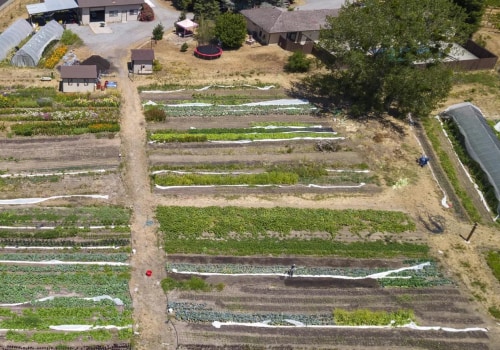
Regenerative agriculture is an innovative approach to farming that seeks to restore and enhance the health of ecosystems, particularly soil health, while also increasing biodiversity. Unlike conventional agricultural practices that often deplete soil nutrients and harm the environment, regenerative agriculture focuses on sustainable methods that work in harmony with nature.Definition of Regenerative Agriculture
At its core, regenerative agriculture is defined by its commitment to improving the land's ecological health.
This includes practices that not only aim to sustain but also to regenerate the natural resources used in farming. The goal is to create a self-sustaining system that can produce food while enhancing the environment.
Core Principles of Regenerative Farming
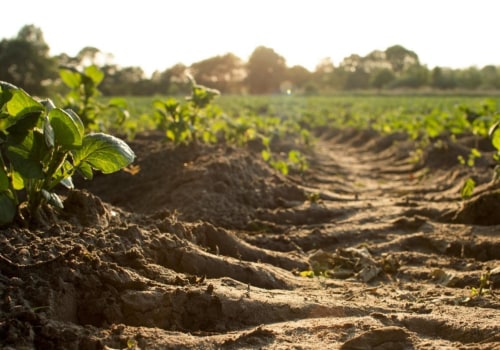
- Soil Health: Central to regenerative agriculture is the focus on soil health. Practices such as cover cropping, reduced tillage, and composting are employed to enhance soil structure, increase organic matter, and promote microbial diversity.
- Biodiversity: Regenerative farming encourages a diverse range of crops and livestock. This diversity helps create resilient ecosystems that can better withstand pests, diseases, and climate fluctuations.
- Water Management: Effective water management techniques are crucial in regenerative agriculture.
Practices like rainwater harvesting and contour farming help maintain water quality and availability while reducing runoff.
- Holistic Grazing: Integrating livestock into farming systems through managed grazing can improve soil fertility and plant health. This method mimics natural grazing patterns, allowing pastures to recover and thrive.
Benefits of Regenerative Agriculture
The benefits of adopting regenerative agricultural practices are manifold:
- Enhanced Soil Fertility: By focusing on organic matter and microbial life, regenerative practices lead to healthier soils that can support more productive crops.
- Carbon Sequestration: Regenerative agriculture has the potential to sequester carbon dioxide from the atmosphere, helping mitigate climate change by storing carbon in the soil.
- Biodiversity Conservation: Increased biodiversity not only supports ecosystem resilience but also contributes to pest control and pollination services.
- Improved Water Quality: Healthy soils filter water more effectively, reducing runoff and preventing nutrient leaching into waterways.
How Regenerative Agriculture Reduces the Carbon Footprint of Beef Production
Regenerative agriculture offers a transformative approach to beef production, particularly through practices that enhance carbon sequestration in the soil. By implementing techniques such as rotational grazing and cover cropping, farmers can significantly reduce the carbon footprint associated with beef production.Rotational Grazing
One of the cornerstone practices of regenerative agriculture is rotational grazing.
This method involves moving livestock between different pastures, allowing grasslands to recover and regenerate. When cattle graze in a controlled manner, they stimulate plant growth and promote deeper root systems. These roots not only capture carbon dioxide from the atmosphere but also store it in the soil as organic matter. Studies have shown that well-managed grazing can lead to an increase in soil organic carbon levels, effectively turning pastures into carbon sinks.
Cover Cropping
Another effective practice is cover cropping, which involves planting specific crops during off-seasons to protect and enrich the soil.
Cover crops prevent erosion, improve soil structure, and enhance nutrient cycling. They also contribute to carbon sequestration by capturing atmospheric carbon and storing it in the soil. When these crops decompose, they add organic matter to the soil, further increasing its carbon content.
Benefits of Grass-Fed Beef
The shift towards grass-fed beef production is closely linked to regenerative practices. Grass-fed systems not only support animal welfare but also promote environmental sustainability.
Cattle raised on pasture consume a natural diet that enhances their health and reduces the need for synthetic feed additives. Moreover, grass-fed beef has been shown to have a lower overall environmental impact compared to grain-fed beef, primarily due to reduced greenhouse gas emissions associated with feed production.
Sustainable Livestock Management
Implementing sustainable livestock management practices is crucial for minimizing the environmental impact of beef production. This includes integrating livestock with crop production systems, which can lead to improved nutrient cycling and reduced reliance on chemical fertilizers. By utilizing manure as a natural fertilizer, farmers can enhance soil fertility while simultaneously sequestering carbon.In conclusion, regenerative agriculture presents a viable pathway for reducing the carbon footprint of beef production through effective practices like rotational grazing and cover cropping.
By prioritizing these methods, we can foster healthier ecosystems while producing nutritious food sustainably.
Case Studies: Successful Implementation of Regenerative Practices in Beef Production
To understand the tangible benefits of regenerative agriculture in beef production, it is essential to examine real-world case studies that illustrate successful implementation of these practices. These examples not only highlight the potential for reducing carbon emissions but also demonstrate significant improvements in soil health and overall ecosystem resilience.White Oak Pastures: A Model of Regenerative Beef Production
Located in Bluffton, Georgia, White Oak Pastures is often cited as a leading example of regenerative beef production. The farm operates on a holistic management model that integrates livestock grazing with crop production. By employing practices such as rotational grazing , they allow pastures to rest and recover, which enhances soil structure and promotes biodiversity.White Oak Pastures has reported a remarkable reduction in their carbon footprint, claiming to achieve a negative carbon footprint.This is largely due to their commitment to sequestering carbon in the soil through improved land management techniques. Their approach not only benefits the environment but also enhances the nutritional quality of the beef produced, making it a win-win for both consumers and the planet.
Polyface Farm: Integrating Livestock and Land
Another noteworthy example is Polyface Farm in Virginia, famously run by farmer Joel Salatin. This farm utilizes a diverse range of livestock, including cattle, pigs, and chickens, all managed through a system that mimics natural ecosystems. By rotating animals through different pastures, Polyface Farm effectively reduces overgrazing and promotes healthy soil microbiomes.The results have been impressive: Polyface Farm has seen an increase in soil organic matter and improved water retention capabilities.These changes not only enhance the farm's productivity but also contribute to greater resilience against climate extremes such as droughts and floods.
Grasslands Beef: Sustainable Practices for a Healthier Planet
Grasslands Beef, based in the Midwest, focuses on sustainable beef production through regenerative practices that prioritize animal welfare and environmental stewardship. Their model emphasizes grass-fed beef production, which is less resource-intensive than conventional methods. By maintaining healthy grasslands, they promote carbon sequestration while providing high-quality meat.This farm has successfully demonstrated that regenerative practices can lead to healthier soils and ecosystems while also meeting consumer demand for sustainable products. Their commitment to transparency allows consumers to trace their beef back to its regenerative roots, fostering trust and encouraging more sustainable choices.These case studies exemplify how regenerative agriculture can transform beef production into a more sustainable practice.By focusing on soil health and ecosystem balance, these farms not only mitigate their carbon emissions but also contribute positively to the environment, setting a precedent for others in the industry.
Challenges and Criticisms of Regenerative Agriculture in Beef Production
While regenerative agriculture presents a promising alternative to conventional beef production, it is not without its challenges and criticisms. Understanding these limitations is crucial for a comprehensive evaluation of its effectiveness in addressing the carbon footprint of beef.Land Use Concerns
One of the primary criticisms of regenerative agriculture is its land use requirements. Regenerative practices often necessitate larger areas for grazing to allow for pasture rotation and recovery. This can lead to concerns about deforestation and habitat loss, particularly in regions where land is already under pressure from agricultural expansion.Critics argue that the increased land demand could exacerbate existing environmental issues, such as biodiversity loss and soil degradation.
Scalability Issues
Another significant challenge is the scalability of regenerative practices. While small-scale farms may successfully implement these methods, transitioning large-scale beef production systems to regenerative models poses logistical and economic hurdles. The need for specialized knowledge and training in holistic management techniques can be a barrier for many farmers, particularly those operating on a tight budget or with limited resources.Economic Viability
The economic viability of regenerative agriculture also raises questions. Although consumers are increasingly interested in sustainable beef options, the market for regenerative products is still developing.Farmers may face difficulties in obtaining premium prices for their products, which can make it challenging to justify the investment in regenerative practices. Additionally, the transition period from conventional to regenerative farming can result in reduced yields, further complicating financial sustainability.
Scientific Debate
The scientific community remains divided on the overall effectiveness of regenerative agriculture in mitigating climate change. Some studies suggest that while regenerative practices can enhance soil health and sequester carbon, they may not be sufficient to offset the greenhouse gas emissions associated with beef production entirely. This ongoing debate highlights the need for more comprehensive research to quantify the long-term impacts of these practices.In conclusion, while regenerative agriculture offers a pathway toward more sustainable beef production, it faces significant challenges that must be addressed.Balancing land use, scalability, economic viability, and scientific scrutiny will be essential for realizing its full potential in reducing the carbon footprint of beef production.
The Role of Policy and Consumer Choices in Promoting Regenerative Agriculture
As the conversation around the environmental impact of beef production continues to evolve, the role of policy and consumer choices becomes increasingly critical in promoting regenerative agriculture. Policymakers have the power to create frameworks that incentivize sustainable practices, while consumers can drive demand for products that align with their values.Policy for Sustainable Agriculture
- Governments can implement subsidies for farmers who adopt regenerative practices, such as rotational grazing and cover cropping. These financial incentives can help offset the initial costs associated with transitioning from conventional to regenerative methods.
- Establishing clear guidelines and certifications for regenerative agriculture can help consumers identify products that meet sustainability standards. This transparency is essential for building trust and encouraging more farmers to adopt these practices.
- Investing in research and development focused on regenerative techniques can provide farmers with the tools and knowledge they need to succeed.
Public funding for educational programs can also empower farmers to make informed decisions about their land management practices.
Consumer Impact on Beef Production
Consumer choices play a pivotal role in shaping agricultural practices. As awareness of the environmental impacts of beef production grows, more consumers are seeking out sustainably sourced products. This shift in demand can encourage producers to adopt regenerative practices. Here are some ways consumers can make an impact:
- Support Local Farmers: Purchasing beef from local farms that practice regenerative agriculture not only supports the local economy but also reduces the carbon footprint associated with transportation.
- Educate Yourself: Understanding the differences between conventional and regenerative beef production can empower consumers to make informed choices.
Look for labels that indicate sustainable practices.
- Advocate for Change: Engaging in conversations about sustainable agriculture and advocating for policies that support regenerative practices can amplify consumer voices, pushing for broader systemic changes.
Future Perspectives: The Path Forward for Beef Production and Regenerative Agriculture
As we look to the future of beef production, it is essential to consider the evolving landscape of regenerative agriculture and its potential to reshape the industry. The increasing awareness of climate change and environmental degradation has prompted consumers to seek more sustainable food options, leading to a significant shift in purchasing behavior. This trend is likely to continue, with a growing demand for beef that is produced through environmentally friendly practices.One of the most promising innovations in this space is the integration of technology into regenerative practices.Precision agriculture tools, such as soil sensors and drones, can provide farmers with real-time data on soil health and crop conditions. This information allows for more informed decision-making regarding grazing patterns and land management, ultimately enhancing the sustainability of beef production.Moreover, advancements in genetic research are paving the way for cattle breeds that are more efficient in converting feed into meat while producing fewer greenhouse gas emissions. These innovations could significantly reduce the carbon footprint associated with beef production, making it a more viable option for environmentally conscious consumers.In addition to technological advancements, consumer education will play a crucial role in shaping the future of beef production. As people become more informed about the benefits of regenerative agriculture, they may be more inclined to support brands that prioritize sustainable practices.
This shift could encourage more farmers to adopt regenerative methods, creating a positive feedback loop that benefits both the environment and the economy.Furthermore, collaborations between farmers, researchers, and policymakers will be vital in promoting sustainable food systems. By working together, these stakeholders can develop policies that incentivize regenerative practices and provide resources for farmers transitioning away from conventional methods.Ultimately, the future of beef production lies in our ability to embrace regenerative agriculture as a viable solution to environmental challenges. By prioritizing sustainability and innovation, we can create a food system that not only meets consumer demands but also contributes positively to our planet.
Conclusion: The Importance of Transitioning to Regenerative Practices in Beef Production
As we reflect on the multifaceted relationship between beef production and climate change, it becomes increasingly clear that transitioning to regenerative agriculture is not merely an option but a necessity. The conventional methods of beef production have been scrutinized for their substantial carbon footprints, contributing significantly to greenhouse gas emissions and environmental degradation.In contrast, regenerative practices offer a promising pathway to mitigate these impacts while enhancing soil health and biodiversity.Throughout this discussion, we have explored how regenerative agriculture employs techniques such as pasture rotation , cover cropping, and holistic grazing management. These methods not only sequester carbon in the soil but also restore vital ecosystems that have been compromised by industrial farming practices. By allowing land to recover and thrive, we can create a more sustainable food system that benefits both producers and consumers.Moreover, the integration of livestock into regenerative systems has shown to improve water quality and enhance resilience against extreme weather events. As climate change continues to pose challenges globally, adopting these practices can help build a more robust agricultural framework capable of withstanding environmental stressors.However, it is essential to acknowledge the complexities involved in this transition.
While regenerative agriculture holds great potential, it requires a shift in mindset from both producers and consumers. Education and awareness are crucial in promoting these practices, as well as supporting policies that incentivize sustainable farming methods.In conclusion, the importance of transitioning to regenerative practices in beef production cannot be overstated. By embracing these innovative approaches, we can significantly reduce the carbon footprint associated with beef while fostering healthier ecosystems. The future of our planet depends on our ability to adapt and implement solutions that prioritize sustainability over short-term gains.
It is time for all stakeholders—farmers, consumers, and policymakers—to come together and champion the cause of regenerative agriculture for a more sustainable future.