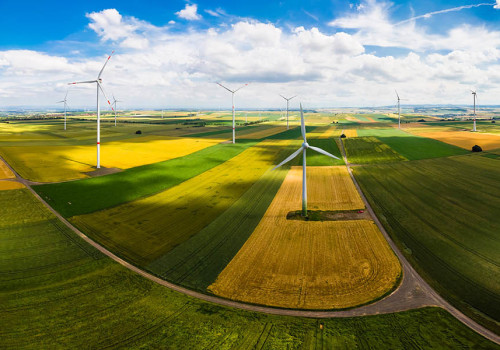
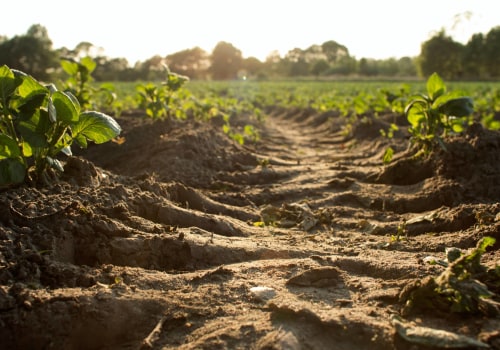
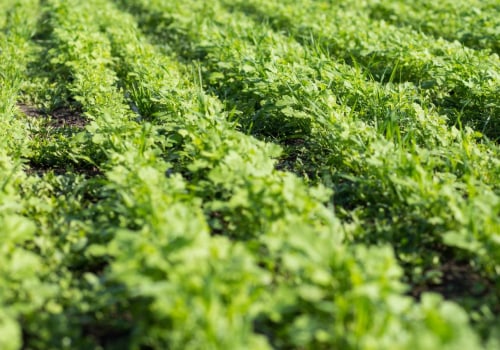
Regenerative agriculture is an innovative approach to farming that seeks to restore and enhance the health of ecosystems while producing food. Unlike conventional farming methods that often deplete soil health and biodiversity, regenerative agriculture focuses on practices that improve the land's vitality and resilience. This holistic method not only aims to increase crop yields but also prioritizes the long-term sustainability of agricultural systems, making it a crucial topic in today’s discussions about food security and environmental stewardship.At its core, regenerative agriculture is defined by a set of principles designed to work in harmony with nature. These principles include minimizing soil disturbance, maintaining soil cover, promoting biodiversity, and integrating livestock into cropping systems.
By adhering to these guidelines, farmers can create a self-sustaining ecosystem that enhances soil fertility, sequesters carbon, and improves water retention. This approach not only benefits the environment but also supports the economic viability of farms by reducing reliance on synthetic inputs.One of the most compelling aspects of regenerative agriculture is its emphasis on building healthy soils. Healthy soils are teeming with life, including microorganisms that play a vital role in nutrient cycling and plant health. By fostering this underground ecosystem, regenerative practices can lead to improved crop resilience against pests and diseases, ultimately resulting in higher quality produce.
Furthermore, regenerative agriculture encourages farmers to adopt a mindset of stewardship rather than exploitation, recognizing their role as caretakers of the land.As we delve deeper into the truth about regenerative farming, it is essential to understand these foundational principles. They not only guide farmers in their practices but also serve as a benchmark for evaluating the legitimacy of claims made by agricultural producers. In a world increasingly concerned with climate change and environmental degradation, understanding regenerative agriculture is more important than ever for consumers, policymakers, and farmers alike.
The Historical Context of Regenerative Farming
To truly understand regenerative agriculture, it is essential to delve into its historical context. The roots of regenerative farming can be traced back to ancient agricultural practices that prioritized the health of the soil and the ecosystem.Early farmers recognized the importance of maintaining soil fertility and biodiversity, often employing methods that are now considered regenerative.In many indigenous cultures, farming was not merely a means of production but a holistic approach to land stewardship. These communities practiced techniques such as crop rotation, intercropping, and agroforestry, which enhanced soil health and reduced pest outbreaks. For instance, the Native American practice of planting corn, beans, and squash together—known as the "Three Sisters"—demonstrates an understanding of companion planting that promotes nutrient sharing and pest resistance.As civilizations evolved, so did agricultural practices. The advent of the Industrial Revolution in the 18th and 19th centuries marked a significant shift towards mechanization and monoculture farming.
This transition often led to soil degradation, loss of biodiversity, and increased reliance on synthetic fertilizers and pesticides. However, even during this period, some farmers began to recognize the detrimental effects of these practices and sought alternatives.The modern concept of regenerative agriculture began to take shape in the mid-20th century as a response to the environmental crises stemming from industrial farming. Pioneers like Sir Albert Howard , who advocated for organic farming principles, emphasized the importance of returning organic matter to the soil. His work laid the groundwork for what would later be recognized as regenerative practices.In recent decades, there has been a resurgence of interest in regenerative agriculture as awareness grows about climate change and environmental degradation.
Farmers and researchers are now revisiting traditional practices while integrating modern science to create sustainable systems that restore soil health and enhance ecosystem resilience.Understanding this historical evolution is crucial for appreciating the significance of regenerative agriculture today. It is not merely a trend but a return to time-tested methods that honor the land and promote ecological balance.
Key Principles of Regenerative Agriculture
Regenerative agriculture is built upon a set of core principles that aim to restore and enhance the health of ecosystems, particularly soil health, while promoting biodiversity and improving water cycles. Understanding these principles is crucial for anyone interested in sustainable farming practices.1.Enhancing Soil Health
At the heart of regenerative agriculture lies the commitment to soil health. Healthy soil is teeming with life, including microorganisms, fungi, and earthworms, all of which contribute to nutrient cycling and plant growth.
Regenerative practices such as cover cropping, reduced tillage, and compost application help to:
- Increase organic matter in the soil, which improves its structure and water retention capabilities.
- Enhance microbial diversity, leading to better nutrient availability for plants.
- Sequester carbon dioxide from the atmosphere, thus playing a role in mitigating climate change.
2.Promoting Biodiversity
Biodiversity is another cornerstone of regenerative agriculture. By fostering a diverse range of crops and livestock, farmers can create resilient ecosystems that are better equipped to withstand pests, diseases, and climate fluctuations. Key strategies include:
- Implementing crop rotation and polyculture systems that mimic natural ecosystems.
- Integrating livestock into cropping systems to enhance nutrient cycling and reduce reliance on synthetic fertilizers.
- Planting native species and creating habitats for beneficial insects and wildlife.
3.Improving Water Cycles
Effective water management is essential in regenerative agriculture. Practices that improve soil structure and increase organic matter can significantly enhance water infiltration and retention.
This not only helps in drought conditions but also reduces runoff and erosion. Techniques include:
- Utilizing contour farming and swales to manage water flow across the landscape.
- Implementing agroforestry systems that promote tree growth alongside crops to improve moisture retention.
- Employing rainwater harvesting systems to maximize water use efficiency.
Benefits of Regenerative Agriculture
Regenerative agriculture offers a multitude of benefits that extend beyond mere crop production. By focusing on holistic farming practices, it aims to restore and enhance the health of ecosystems, making it a vital approach in the fight against climate change.1.Soil Health Improvement
- One of the primary benefits of regenerative agriculture is its ability to improve soil health.
Healthy soil is rich in organic matter, which enhances its capacity to retain water and nutrients. This leads to better crop yields and reduces the need for synthetic fertilizers.
- Practices such as cover cropping, crop rotation, and reduced tillage help build soil structure and biodiversity, fostering a thriving ecosystem beneath the surface.
2.Carbon Sequestration
- Regenerative farming practices can significantly contribute to carbon sequestration. By increasing soil organic carbon levels, these methods help draw down atmospheric CO2, mitigating climate change effects.
- Research indicates that well-managed regenerative systems can sequester more carbon than conventional farming methods, making them a crucial tool in reducing greenhouse gas emissions.
3.Biodiversity Enhancement
- Regenerative agriculture promotes biodiversity both above and below ground. Diverse plant species can improve resilience against pests and diseases while supporting a variety of wildlife.
- This biodiversity is essential for maintaining ecosystem services such as pollination, nutrient cycling, and pest control, which are vital for sustainable food production.
4.Water Conservation
- By improving soil structure and increasing organic matter, regenerative practices enhance the soil's ability to retain water.
This is particularly important in areas prone to drought or erratic rainfall patterns.
- Effective water management not only conserves this precious resource but also reduces runoff and erosion, leading to healthier waterways.
5.Economic Viability
- Farmers practicing regenerative agriculture often experience lower input costs due to reduced reliance on chemical fertilizers and pesticides. This can lead to increased profitability over time.
- Moreover, consumers are increasingly willing to pay a premium for sustainably produced goods, providing farmers with new market opportunities.
Common Misconceptions About Regenerative Agriculture
As regenerative agriculture gains traction, numerous misconceptions have emerged, often clouding the understanding of its true principles and benefits. Addressing these myths is crucial for both consumers and farmers who seek to engage with sustainable practices.Myth 1: Regenerative Agriculture is Just Another Buzzword
Many people dismiss regenerative agriculture as a mere marketing term, similar to "sustainable" or "organic." While it is true that the agricultural sector has a history of greenwashing, regenerative agriculture is rooted in scientifically-backed practices aimed at restoring soil health, enhancing biodiversity, and improving ecosystem resilience.
It is not just a trend; it represents a paradigm shift in how we approach farming.
Myth 2: All Regenerative Practices are the Same
Another common misconception is that regenerative practices are uniform across all farms. In reality, what works for one farm may not be suitable for another due to differences in climate, soil type, and local ecosystems. Regenerative agriculture emphasizes tailored approaches that consider specific environmental conditions and community needs.
Myth 3: Regenerative Agriculture Eliminates All Chemicals
Some believe that regenerative agriculture advocates for a complete ban on all synthetic inputs. While the goal is to reduce reliance on chemicals, the focus is on using them judiciously and only when necessary.
The aim is to create a balanced ecosystem where natural processes can thrive, reducing the need for external inputs over time.
Myth 4: It’s Only About Soil Health
While soil health is a cornerstone of regenerative agriculture, it encompasses much more than just improving soil quality. It also addresses water management, biodiversity enhancement, and social equity within farming communities. A holistic approach ensures that all aspects of the agricultural system are considered.
Myth 5: Regenerative Agriculture is Not Scalable
Critics often argue that regenerative practices cannot be implemented on a large scale. However, numerous case studies demonstrate successful large-scale regenerative operations that yield high productivity while enhancing environmental health.
The scalability of these practices depends on education, support systems, and policy frameworks that encourage sustainable methods.In conclusion, understanding the facts behind regenerative agriculture is essential for making informed decisions about food production and consumption. By debunking these misconceptions, we can foster a more accurate dialogue about the potential of regenerative practices to create a sustainable future for agriculture.
Challenges Facing Regenerative Agriculture
While the promise of regenerative agriculture is compelling, several challenges and barriers hinder its widespread adoption. Understanding these obstacles is crucial for farmers, policymakers, and consumers alike, as they shape the future of sustainable farming practices.Economic Viability
One of the most significant challenges facing regenerative agriculture is its economic viability. Transitioning from conventional to regenerative practices often requires substantial upfront investment in new technologies, training, and infrastructure.Many farmers operate on tight margins and may be hesitant to invest in practices that do not guarantee immediate financial returns. Additionally, the market for regenerative products is still developing, which can make it difficult for farmers to find buyers willing to pay a premium for sustainably produced goods.
Knowledge and Training Gaps
Another barrier is the lack of knowledge and training available to farmers. Regenerative practices often involve complex systems thinking and a deep understanding of ecological principles. Many farmers may not have access to the necessary education or resources to implement these practices effectively.Extension services and agricultural education programs need to evolve to provide comprehensive training on regenerative methods, including soil health management, crop rotation strategies, and holistic grazing techniques.
Policy and Regulatory Challenges
Government policies can also pose significant challenges. Current agricultural subsidies often favor conventional farming methods, making it financially challenging for farmers who wish to adopt regenerative practices. Without supportive policies that incentivize sustainable farming, many farmers may feel trapped in traditional systems that prioritize short-term yields over long-term ecological health.Cultural Resistance
Cultural attitudes towards farming can further complicate the adoption of regenerative agriculture. In many regions, there is a strong reliance on conventional farming methods that have been passed down through generations.This cultural inertia can create resistance to change, as farmers may be skeptical of new practices that deviate from established norms.
Market Access and Infrastructure
Finally, access to markets and infrastructure remains a significant hurdle. Farmers practicing regenerative agriculture often face challenges in connecting with consumers who value sustainability. The lack of infrastructure for processing and distributing regenerative products can limit their market reach, making it difficult for these farmers to compete with larger conventional operations.In conclusion, while regenerative agriculture holds great potential for creating a more sustainable food system, addressing these challenges is essential for its successful implementation. By fostering economic viability, enhancing education and training opportunities, reforming policies, overcoming cultural resistance, and improving market access, we can pave the way for a more resilient agricultural future.Case Studies: Successful Regenerative Farms
To truly understand the impact of regenerative agriculture, examining real-world examples can provide invaluable insights.Here are several case studies of successful regenerative farms that illustrate the diverse practices and benefits associated with this approach.
1.Polyface Farm, Virginia
Founded by Joel Salatin, Polyface Farm is a renowned example of regenerative farming in action. The farm employs a holistic management system that integrates livestock and crop production. Key practices include:- Rotational Grazing: Animals are moved frequently to prevent overgrazing and promote soil health.
- Composting: Manure is composted to create nutrient-rich soil amendments, reducing the need for synthetic fertilizers.
- Diversity: A variety of species are raised together, enhancing biodiversity and resilience against pests and diseases.
2.Kiss the Ground, California
Kiss the Ground is an organization that promotes regenerative agriculture through education and advocacy. They work with farmers across California to implement practices such as:- Cover Cropping: Planting cover crops during off-seasons to protect soil from erosion and enhance organic matter.
- No-Till Farming: Reducing soil disturbance to maintain soil structure and health.
- Agroforestry: Integrating trees into agricultural landscapes to improve biodiversity and provide additional income streams.
3.White Oak Pastures, Georgia
This farm exemplifies how regenerative agriculture can be applied in livestock production.White Oak Pastures focuses on:
- Animal Welfare: Providing pasture-based systems that allow animals to roam freely, promoting their well-being.
- Sustainable Practices: Utilizing rotational grazing and integrating crops with livestock to enhance land productivity.
- Community Engagement: Educating consumers about the benefits of regenerative farming and offering farm tours to foster connection with local food systems.
The Future of Regenerative Agriculture
The future of regenerative agriculture is poised to be transformative, driven by a combination of technological advancements, evolving consumer preferences, and a growing recognition of the need for sustainable practices. As we look ahead, several key trends and innovations are emerging that promise to reshape the landscape of farming.1.Technological Integration
- Precision Agriculture: The use of drones, sensors, and satellite imagery is becoming increasingly common in regenerative farming. These technologies allow farmers to monitor soil health, crop conditions, and water usage with unprecedented accuracy.
By leveraging data analytics, farmers can make informed decisions that enhance productivity while minimizing environmental impact.
- Blockchain for Transparency: As consumers demand more transparency about food sources and farming practices, blockchain technology is being adopted to trace the journey of agricultural products from farm to table. This innovation not only builds trust but also encourages farmers to adhere to regenerative practices.
2.Agroecological Practices
The future will see a stronger emphasis on agroecology, which integrates ecological principles into agricultural systems. This approach promotes biodiversity, enhances soil health, and reduces reliance on chemical inputs. Farmers are increasingly adopting cover cropping, crop rotation, and polyculture systems that mimic natural ecosystems.
3.Consumer Demand for Sustainable Products
As awareness of climate change and environmental degradation grows, consumers are actively seeking out products that align with their values.
This shift is driving demand for regenerative agriculture products, leading retailers and brands to prioritize sourcing from farms that practice regenerative methods. This trend not only supports sustainable farming but also incentivizes more farmers to transition to regenerative practices.
4.Policy Support and Incentives
Governments and organizations are beginning to recognize the importance of regenerative agriculture in addressing climate change. Future policies may include financial incentives for farmers who adopt regenerative practices, as well as funding for research and development in sustainable agriculture technologies.
5.Community Engagement and Education
The future of regenerative agriculture will also rely heavily on community involvement and education. Initiatives that connect consumers with local farmers can foster a deeper understanding of sustainable practices and encourage more people to support regenerative agriculture.In conclusion, the future of regenerative agriculture is bright, characterized by innovation and a collective commitment to sustainability.
As these trends continue to evolve, they will not only enhance agricultural productivity but also contribute significantly to environmental conservation efforts.
Conclusion: The Path Forward for Regenerative Agriculture
As we draw our exploration of regenerative agriculture to a close, it is essential to reflect on the multifaceted nature of this approach to farming. Throughout this article, we have dissected the various claims surrounding regenerative practices, highlighting both their potential benefits and the challenges that accompany them. The journey towards a more sustainable agricultural system is fraught with complexities, and understanding these nuances is crucial for anyone invested in the future of our food systems.One of the most significant takeaways is the need for rigorous verification of regenerative practices. As we have seen, the term "regenerative" can sometimes be misused as a marketing tool rather than a genuine commitment to sustainable farming.This underscores the importance of transparency and accountability in agricultural practices. Farmers and ranchers must be willing to engage in open dialogues about their methods and outcomes, allowing consumers to make informed choices.Moreover, while regenerative agriculture holds promise for enhancing soil health and sequestering carbon, it is not a panacea for all agricultural issues. The diversity of farming systems means that what works in one context may not be applicable in another. Therefore, it is vital for practitioners to adopt a tailored approach that considers local ecosystems, community needs, and economic viability.In addition, we must not overlook the ethical dimensions of regenerative agriculture, particularly concerning animal welfare.
As we strive for environmental sustainability, we must also ensure that our practices do not perpetuate cruelty or exploitation within livestock systems. This holistic view will help us create a truly regenerative model that respects both the land and its inhabitants.In conclusion, the path forward for regenerative agriculture requires a collective effort from farmers, consumers, policymakers, and researchers alike. By fostering collaboration and sharing knowledge, we can work towards an agricultural paradigm that not only addresses climate change but also promotes biodiversity and social equity. As we continue to navigate this evolving landscape, let us remain vigilant in separating fact from fiction, ensuring that our commitment to regeneration is grounded in reality and driven by genuine progress.