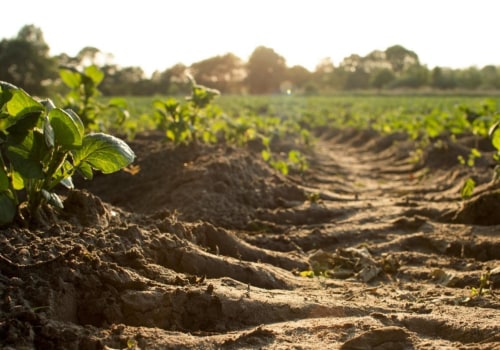
Regenerative agriculture represents a transformative approach to farming that seeks not only to sustain but to enhance the health of our ecosystems. At its core, regenerative agriculture is defined as a set of practices aimed at restoring and revitalizing the soil, increasing biodiversity, and improving water cycles. Unlike conventional agricultural methods that often prioritize short-term yields at the expense of long-term soil health, regenerative practices focus on building resilience within agricultural systems. This holistic approach recognizes the intricate relationships between soil, plants, animals, and the broader environment.The importance of regenerative agriculture cannot be overstated in today’s context of climate change and environmental degradation.
As we face increasing challenges such as soil erosion, loss of biodiversity, and water scarcity, adopting regenerative practices offers a pathway to mitigate these issues. By prioritizing soil health through techniques like cover cropping, crop rotation, and reduced tillage, farmers can enhance the organic matter in the soil, which in turn improves its ability to retain moisture and nutrients. This not only leads to healthier crops but also contributes to carbon sequestration, helping to combat climate change.Moreover, regenerative agriculture fosters a more sustainable relationship between farmers and their land. It encourages practices that are not only environmentally friendly but also economically viable.
Farmers who embrace these methods often find that they can reduce their reliance on synthetic fertilizers and pesticides, leading to lower input costs and healthier food products. As consumers become increasingly aware of the impact of their food choices on the environment, the demand for products grown using regenerative practices is on the rise.In summary, understanding regenerative agriculture is crucial for anyone interested in sustainable farming practices. It offers a comprehensive framework that not only addresses current agricultural challenges but also paves the way for a more resilient and productive future. As we delve deeper into this topic, we will explore various principles and practices that define regenerative agriculture and examine its potential to reshape our food systems for the better.
The Principles of Regenerative Agriculture
At the heart of regenerative agriculture lies a set of core principles that guide farmers in their quest to create sustainable and resilient farming systems.These principles not only focus on enhancing productivity but also emphasize the importance of ecological balance and long-term health of the land.
1.Soil Health
Soil is often referred to as the foundation of agriculture, and for good reason. Healthy soil is rich in organic matter, microorganisms, and nutrients that are essential for plant growth. Regenerative agriculture prioritizes practices that enhance soil health, such as:
- Cover Cropping: Planting cover crops during off-seasons helps prevent soil erosion, improves soil structure, and enhances nutrient cycling.
- No-Till Farming: Reducing or eliminating tillage preserves soil structure and biodiversity, allowing for better water retention and reduced carbon loss.
- Composting: Adding organic compost enriches the soil with nutrients and beneficial microbes, fostering a vibrant ecosystem.
2.Biodiversity
A diverse ecosystem is more resilient to pests, diseases, and climate fluctuations. Regenerative agriculture encourages biodiversity through:
- Diverse Crop Rotations: Rotating different crops can break pest cycles and improve soil health.
- Integrating Livestock: Incorporating animals into cropping systems can enhance nutrient cycling and promote healthier soils.
- Planting Native Species: Utilizing native plants can support local wildlife and pollinators, contributing to a balanced ecosystem.
3.Ecosystem Restoration
Regenerative agriculture aims to restore degraded ecosystems by:
- Rehabilitating Degraded Land: Implementing practices that restore soil fertility and function on previously degraded lands.
- Water Management: Utilizing techniques such as contour farming and swales to manage water flow effectively, reducing runoff and promoting groundwater recharge.
- Carbon Sequestration: Enhancing soil organic matter through regenerative practices helps capture atmospheric carbon, mitigating climate change impacts.
By embracing these core principles, farmers can create a more sustainable future that not only meets the needs of today but also preserves resources for generations to come.
Benefits of Regenerative Agriculture
Regenerative agriculture offers a multitude of benefits that extend beyond mere crop production. By focusing on holistic practices, this approach not only enhances the health of the soil but also contributes positively to the environment and local ecosystems.Improved Soil Health
One of the most significant advantages of regenerative agriculture is its ability to improve soil health. Healthy soil is rich in organic matter, which enhances its structure and fertility. Practices such as cover cropping, crop rotation, and reduced tillage help to build soil organic carbon, which is essential for nutrient retention and water infiltration.
As a result, farmers can experience:
- Increased crop yields: Healthier soils lead to more robust plant growth and higher productivity.
- Reduced erosion: Well-structured soils are less prone to erosion, protecting valuable topsoil.
- Enhanced nutrient cycling: Improved microbial activity in the soil promotes better nutrient availability for plants.
Increased Biodiversity
Regenerative agriculture fosters biodiversity both above and below ground. By implementing diverse cropping systems and integrating livestock into farming practices, farmers can create habitats for various species. This biodiversity is crucial for:
- Pest control: Natural predators can help manage pest populations without the need for synthetic pesticides.
- Pollination: A diverse ecosystem supports a variety of pollinators, which are essential for many crops.
- Resilience against diseases: Biodiverse systems are less susceptible to widespread crop failures caused by pests or diseases.
Enhanced Resilience to Climate Change
The impacts of climate change are becoming increasingly evident, and regenerative agriculture provides a pathway for farmers to adapt. By improving soil health and increasing biodiversity, regenerative practices enhance the resilience of agricultural systems.
Key benefits include:
- Water retention: Healthy soils can absorb and retain more water, reducing the risk of drought.
- Carbon sequestration: Regenerative practices help capture atmospheric carbon dioxide, mitigating climate change effects.
- Adaptation strategies: Diverse farming systems can better withstand extreme weather events, ensuring food security.
Regenerative Agriculture Techniques and Practices
Regenerative agriculture encompasses a variety of techniques and practices designed to restore and enhance the health of agricultural ecosystems. These methods not only focus on increasing productivity but also aim to improve soil health, biodiversity, and overall ecosystem resilience. Below are some key techniques commonly employed in regenerative agriculture:- Cover Cropping: This practice involves planting specific crops during the off-season when main crops are not being cultivated.
Cover crops, such as clover or rye, help prevent soil erosion, suppress weeds, and enhance soil fertility by fixing nitrogen and adding organic matter when they decompose.
- Crop Rotation: By alternating the types of crops grown in a particular area over time, farmers can disrupt pest and disease cycles, improve soil structure, and enhance nutrient availability. For instance, rotating legumes with cereals can replenish nitrogen levels in the soil.
- Agroforestry: This technique integrates trees and shrubs into agricultural landscapes. Agroforestry systems can provide shade for crops, reduce wind erosion, enhance biodiversity, and create additional income streams through timber or fruit production.
- No-Till Farming: Minimizing soil disturbance through no-till practices helps maintain soil structure and health. This method reduces erosion and promotes the development of beneficial microbial communities within the soil.
- Holistic Planned Grazing: This approach involves managing livestock grazing patterns to mimic natural herd movements.
By rotating livestock through different pastures, farmers can promote grass regrowth, improve soil health, and increase carbon sequestration.
Case Studies: Successful Implementation of Regenerative Agriculture
Real-world examples of regenerative agriculture illustrate its potential to transform farming practices and enhance sustainability.Here are several case studies that highlight successful implementations of regenerative methods:
1.White Oak Pastures, Georgia
White Oak Pastures is a prime example of a farm that has embraced regenerative practices to restore its land and improve its ecosystem. Located in Bluffton, Georgia, this multi-species farm integrates livestock grazing with crop production. By utilizing rotational grazing techniques, the farm enhances soil health, increases biodiversity, and sequesters carbon. The result is not only healthier soil but also improved animal welfare and higher-quality meat products.2.Polyface Farm, Virginia
Polyface Farm, run by Joel Salatin, is renowned for its innovative approach to regenerative agriculture.The farm employs a holistic management system that mimics natural ecosystems. By rotating livestock through different pastures, Salatin promotes nutrient cycling and reduces the need for synthetic fertilizers. This method has led to increased soil fertility and resilience against droughts, showcasing how regenerative practices can lead to both environmental and economic benefits.
3.Kiss the Ground, California
The organization Kiss the Ground has been instrumental in promoting regenerative agriculture across California. Through educational programs and partnerships with local farmers, they have demonstrated how regenerative practices can restore degraded soils and enhance water retention.One notable project involved transitioning conventional almond orchards to regenerative systems, resulting in improved yields and healthier ecosystems.
4.The Rodale Institute, Pennsylvania
The Rodale Institute has been at the forefront of research on regenerative agriculture. Their long-term studies have shown that organic farming methods can outperform conventional practices in terms of soil health and crop resilience. By implementing cover cropping, reduced tillage, and composting, they have successfully demonstrated that regenerative practices can lead to sustainable food production while mitigating climate change.These case studies not only highlight the viability of regenerative agriculture but also serve as inspiration for farmers looking to adopt more sustainable practices. By learning from these success stories, stakeholders in the agricultural sector can better understand the transformative power of working in harmony with nature.Challenges and Misconceptions about Regenerative Agriculture
While the benefits of regenerative agriculture are increasingly recognized, several challenges and misconceptions hinder its widespread adoption.Understanding these barriers is crucial for farmers, policymakers, and consumers who may be hesitant to embrace this holistic approach to farming.
Common Challenges in Implementing Regenerative Agriculture
One of the primary challenges faced by farmers transitioning to regenerative practices is the initial investment required. Shifting from conventional methods often necessitates new equipment, seeds, and training. This upfront cost can be daunting, especially for small-scale farmers operating on tight margins.Additionally, there is a steep learning curve associated with regenerative techniques. Farmers must familiarize themselves with practices such as cover cropping, crop rotation, and holistic grazing management.This knowledge acquisition can be time-consuming and may require access to educational resources that are not always readily available.Another significant challenge is the perception of risk. Many farmers are accustomed to conventional farming methods that provide predictable yields. The transition to regenerative agriculture may initially result in lower production levels as ecosystems adjust. This uncertainty can deter farmers from making the switch.
Misconceptions Surrounding Regenerative Agriculture
Misunderstandings about regenerative agriculture also contribute to its slow adoption.One common misconception is that it is merely organic farming with a different name. While organic practices focus on avoiding synthetic inputs, regenerative agriculture emphasizes improving soil health and ecosystem resilience through a variety of techniques.Another myth is that regenerative agriculture is only suitable for large-scale operations. In reality, these practices can be adapted for farms of all sizes, including small family-run farms. The principles of regenerative agriculture are flexible and can be tailored to fit local conditions and resources.Furthermore, some skeptics argue that regenerative agriculture lacks scientific backing.
However, numerous studies have demonstrated its effectiveness in enhancing soil health, increasing biodiversity, and improving water retention. The growing body of research supports the idea that regenerative practices can lead to sustainable agricultural systems.
Barriers to Adoption
The lack of supportive policies and financial incentives also poses a barrier to the adoption of regenerative agriculture. Many government programs still favor conventional farming methods, making it difficult for farmers interested in transitioning to find the necessary support.In conclusion, while there are challenges and misconceptions surrounding regenerative agriculture, addressing these issues through education, policy reform, and community support can pave the way for a more sustainable future in farming.The Role of Technology in Regenerative Agriculture
In the evolving landscape of agriculture, technology plays a pivotal role in enhancing the principles of regenerative agriculture. By integrating innovative tools and techniques, farmers can optimize their practices to not only increase productivity but also promote environmental sustainability.One of the most significant advancements in this field is the rise of precision agriculture.This approach utilizes data analytics, satellite imagery, and IoT (Internet of Things) devices to monitor crop health, soil conditions, and weather patterns in real-time. By leveraging these technologies, farmers can make informed decisions that align with regenerative practices. For instance, they can apply fertilizers and water more efficiently, reducing waste and minimizing chemical runoff into nearby ecosystems.Moreover, drone technology has emerged as a game-changer in regenerative farming. Drones equipped with multispectral cameras can assess crop health by capturing images that reveal variations in plant vigor.
This information allows farmers to identify areas that require attention, such as those needing additional nutrients or pest control. By targeting interventions precisely where they are needed, farmers can enhance soil health and biodiversity while reducing the overall use of inputs.Another innovative tool is soil sensors , which provide critical data on moisture levels, pH balance, and nutrient content. These sensors enable farmers to monitor soil health continuously and adjust their practices accordingly. For example, if a sensor indicates low nitrogen levels, a farmer can apply organic amendments rather than synthetic fertilizers, thus adhering to regenerative principles.Furthermore, advancements in biotechnology are also contributing to regenerative agriculture.
Techniques such as CRISPR gene editing allow for the development of crop varieties that are more resilient to pests and diseases while requiring fewer chemical inputs. This not only supports the health of the soil but also enhances biodiversity by reducing reliance on harmful pesticides.In addition to these technologies, data management platforms are becoming increasingly important. These platforms aggregate data from various sources—such as weather forecasts, market trends, and soil health metrics—enabling farmers to make holistic decisions that benefit both their operations and the environment.As we look towards the future of farming, it is clear that technology will continue to play an essential role in advancing regenerative agriculture. By embracing these innovations, farmers can create a more sustainable food system that not only meets the demands of today but also preserves resources for future generations.
Policy Implications and Support for Regenerative Agriculture
As the global conversation around sustainability intensifies, the role of policy in promoting regenerative agriculture has become increasingly critical.Policymakers are recognizing that agricultural practices must evolve to address pressing environmental challenges, and regenerative agriculture offers a viable pathway. This section delves into the various government initiatives and funding opportunities that support the transition to regenerative practices.
Government Initiatives
- Conservation Programs: Many governments have established conservation programs aimed at incentivizing farmers to adopt regenerative practices. For instance, the United States Department of Agriculture (USDA) offers programs like the Conservation Stewardship Program (CSP), which rewards farmers for implementing practices that enhance soil health, improve water quality, and increase biodiversity.
- Research and Development: Funding for research into regenerative agriculture is essential for developing new techniques and understanding their long-term impacts. Government grants often support universities and research institutions in studying the benefits of regenerative practices, leading to more informed policy decisions.
- Education and Training: Initiatives that provide education and training for farmers on regenerative methods are crucial.
Workshops, field days, and online resources can empower farmers with the knowledge they need to transition successfully.
Funding Opportunities
- Grants and Subsidies: Various grants are available for farmers willing to adopt regenerative practices. These funds can help cover the costs associated with transitioning from conventional methods, such as purchasing cover crop seeds or implementing agroforestry systems.
- Low-Interest Loans: Some governments offer low-interest loans specifically designed for farmers looking to invest in sustainable practices. These financial products can ease the burden of upfront costs associated with transitioning to regenerative agriculture.
- Tax Incentives: Tax breaks or credits for farmers who implement environmentally friendly practices can serve as a strong motivator. By reducing their tax liability, farmers may find it easier to invest in regenerative methods.
As more governments recognize the importance of sustainable agriculture, the potential for widespread adoption of regenerative practices increases significantly. Engaging with policymakers and advocating for supportive legislation can help ensure that regenerative agriculture becomes a cornerstone of future agricultural policy.
How Consumers Can Support Regenerative Agriculture
As consumers, our choices have a profound impact on the agricultural landscape. By consciously supporting regenerative agriculture, we can contribute to a more sustainable food system that prioritizes environmental health, biodiversity, and community resilience. Here are several actionable steps you can take to support regenerative practices through your purchasing decisions:- Choose Local and Seasonal Products: Purchasing food from local farmers' markets or community-supported agriculture (CSA) programs not only supports local economies but also reduces the carbon footprint associated with transporting food over long distances.
Look for farms that practice regenerative methods, as they often prioritize soil health and ecological balance.
- Research Brands and Products: Take the time to investigate brands that align with regenerative principles. Many companies are now transparent about their farming practices and sustainability efforts. Look for certifications or labels that indicate regenerative practices, such as those from organizations dedicated to promoting sustainable agriculture.
- Support Organic and Biodynamic Farming: While not all organic farms are regenerative, many employ practices that enhance soil health and biodiversity. Biodynamic farming goes a step further by integrating holistic approaches to farming, which can be beneficial for the ecosystem.
- Advocate for Change: Use your voice to advocate for policies that support regenerative agriculture at local, state, and national levels.
Engage with policymakers and express your support for initiatives that promote sustainable farming practices.
- Educate Yourself and Others: Knowledge is power. Stay informed about the benefits of regenerative agriculture and share this information with friends and family. The more people understand the importance of these practices, the greater the demand will be for products that support them.
- Reduce Food Waste: Being mindful of food waste is another way to support regenerative agriculture. By planning meals and using leftovers creatively, you can help minimize waste and make the most of the resources used in food production.
Each purchase is an opportunity to invest in a healthier planet, promote biodiversity, and support farmers who are committed to working in harmony with nature.
<strong>Conclusion</strong>
In summary, the significance of regenerative agriculture cannot be overstated. As we face unprecedented challenges such as climate change, soil degradation, and biodiversity loss, this holistic approach to farming offers a viable pathway toward sustainable food production. By prioritizing the health of our ecosystems, regenerative agriculture not only enhances soil fertility but also fosters resilience against environmental stressors.One of the most compelling aspects of regenerative agriculture is its ability to create a symbiotic relationship between farming practices and natural processes. This method encourages farmers to work with nature rather than against it, leading to improved water retention, enhanced nutrient cycling, and increased biodiversity.These benefits are not merely theoretical; they have been observed in numerous case studies across various agricultural landscapes.Moreover, the adoption of regenerative practices can lead to significant economic advantages for farmers. By reducing reliance on synthetic fertilizers and pesticides, farmers can lower their input costs while simultaneously improving crop yields and quality. This shift not only supports the farmer's bottom line but also contributes to a healthier food system overall.As consumers become more aware of the environmental impacts of their food choices, there is a growing demand for products that are produced through sustainable methods. This trend presents an opportunity for farmers who embrace regenerative agriculture to differentiate themselves in the marketplace and attract a loyal customer base.Ultimately, the transition to regenerative agriculture requires collaboration among all stakeholders—farmers, consumers, policymakers, and researchers.
By working together, we can create a robust framework that supports the widespread adoption of these practices. Education and awareness are crucial in this endeavor; as more people understand the principles and benefits of regenerative agriculture, we can foster a cultural shift towards sustainability.In conclusion, embracing regenerative agriculture is not just an option; it is an imperative for the future of our planet. By investing in practices that restore and enhance our natural resources, we can ensure food security for generations to come while nurturing the environment that sustains us all.