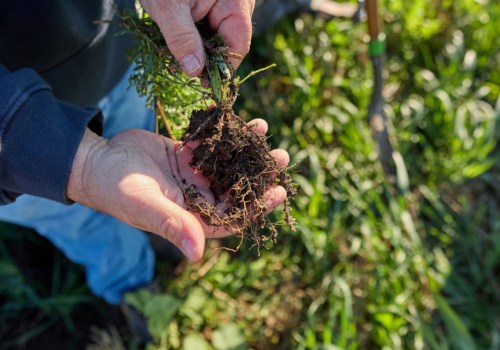
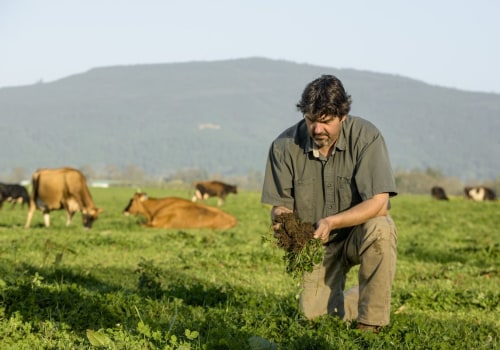
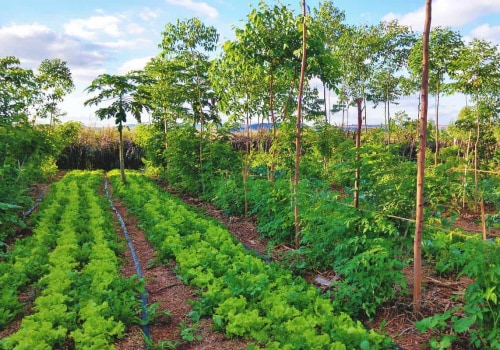
Regenerative agriculture represents a transformative approach to farming that seeks not only to sustain but to enhance the health of our ecosystems. At its core, this practice is defined by its commitment to restoring soil health, increasing biodiversity, and improving water cycles. Unlike conventional agricultural methods that often deplete resources and contribute to environmental degradation, regenerative agriculture emphasizes a holistic view of farming that integrates ecological principles into every aspect of food production.The principles of regenerative agriculture are grounded in the understanding that healthy soil is the foundation of a resilient food system. This approach prioritizes practices such as cover cropping, crop rotation, and reduced tillage, all aimed at building organic matter in the soil.
By fostering a diverse array of plant life, regenerative agriculture not only enhances soil fertility but also creates habitats for beneficial organisms, which play a crucial role in pest management and pollination.One of the most significant benefits of regenerative agriculture is its potential to sequester carbon from the atmosphere, thereby mitigating climate change. Through practices that promote healthy soil microbiomes and robust plant growth, regenerative systems can capture carbon dioxide and store it in the ground. This process not only helps combat global warming but also improves soil structure and water retention, leading to increased resilience against droughts and floods.Moreover, regenerative agriculture offers economic advantages for farmers by reducing reliance on synthetic fertilizers and pesticides, which can be costly and harmful to the environment. By investing in natural systems and processes, farmers can create sustainable livelihoods while contributing positively to their communities and ecosystems.
As we delve deeper into the specifics of regenerative grazing within this broader context, it becomes clear that this method holds immense promise for creating a sustainable future for our planet.
What is Regenerative Grazing?
Regenerative grazing is a holistic land management practice that focuses on the sustainable use of pasturelands to enhance soil health, increase biodiversity, and improve ecosystem resilience. Unlike conventional grazing methods, which often lead to overgrazing and soil degradation, regenerative grazing employs a series of techniques designed to mimic natural grazing patterns and promote the regeneration of grasslands.At its core, regenerative grazing involves rotating livestock through different pastures, allowing for periods of rest and recovery for the grazed areas. This practice not only prevents overgrazing but also encourages the growth of diverse plant species, which in turn supports a wider range of wildlife. The key techniques involved in regenerative grazing include:- Mob Grazing: This technique involves moving livestock frequently between small paddocks.
By concentrating animals in one area for a short time, they graze down the vegetation effectively while also fertilizing the soil with their manure.
- Rest Periods: After grazing, pastures are given ample time to recover. This rest period allows grasses to regrow and strengthens root systems, which enhances soil structure and health.
- Diverse Planting: Incorporating a variety of plant species into pastures not only improves biodiversity but also creates a more resilient ecosystem. Different plants have varying root depths and nutrient requirements, which can lead to healthier soils.
- Soil Health Monitoring: Regularly assessing soil health through tests and observations helps farmers understand the impact of their grazing practices and make necessary adjustments.
By prioritizing ecological balance and sustainability, it offers a pathway toward healthier soils, more resilient ecosystems, and ultimately, a more sustainable agricultural future.
The Environmental Impact of Regenerative Grazing
Regenerative grazing is not just a method of livestock management; it is a transformative approach that offers significant environmental benefits. By mimicking natural grazing patterns, this practice enhances the health of ecosystems, promotes biodiversity, and plays a crucial role in carbon sequestration.One of the most compelling aspects of regenerative grazing is its ability to sequester carbon. Through the process of photosynthesis, plants absorb carbon dioxide from the atmosphere and convert it into organic matter. When livestock graze, they stimulate plant growth and root development, which in turn increases the amount of carbon stored in the soil.Research indicates that regenerative grazing can lead to a 300% increase in biomass , significantly enhancing the soil's capacity to store carbon. This not only helps mitigate climate change but also improves soil structure and fertility.Moreover, regenerative grazing fosters improved biodiversity. Traditional grazing methods often lead to overgrazing and monocultures, which diminish plant variety and disrupt local ecosystems. In contrast, regenerative practices encourage a diverse array of plant species by allowing for rotational grazing.
This method prevents any single species from dominating, thus creating a more resilient ecosystem. Increased biodiversity supports various wildlife species and contributes to healthier pastures.Soil health is another critical area where regenerative grazing makes a profound impact. Healthy soils are rich in organic matter and teeming with microbial life, which are essential for nutrient cycling and water retention. Regenerative grazing practices enhance soil microbial activity by promoting the growth of beneficial organisms such as mycorrhizal fungi.
These microorganisms play a vital role in breaking down organic matter and making nutrients available to plants. As a result, soils become more fertile and capable of supporting diverse plant life.In summary, the environmental impact of regenerative grazing extends far beyond livestock production. By enhancing carbon sequestration, promoting biodiversity, and improving soil health, this practice offers a sustainable solution to some of the most pressing ecological challenges we face today. As we continue to explore innovative agricultural practices, regenerative grazing stands out as a beacon of hope for a more sustainable future.
Economic Benefits of Regenerative Grazing
The economic landscape of agriculture is evolving, and regenerative grazing is at the forefront of this transformation.Farmers who adopt regenerative practices are not only contributing to environmental sustainability but also reaping significant economic benefits. This section delves into the profitability of regenerative grazing and the increasing market demand for sustainably produced food.One of the primary economic advantages of regenerative grazing is its potential to enhance farm profitability. By improving soil health and increasing biodiversity, farmers can achieve higher yields over time. Healthier soils retain more moisture and nutrients, reducing the need for synthetic fertilizers and irrigation.
This leads to lower operational costs and increased resilience against climate variability.Moreover, regenerative grazing practices often result in better-quality livestock. Grass-fed animals raised on diverse pastures tend to produce meat that is not only healthier but also more flavorful. This quality can command premium prices in the marketplace, allowing farmers to capitalize on consumer preferences for high-quality, sustainably sourced products.As consumers become more aware of the environmental impacts of their food choices, there is a growing demand for sustainably produced goods. According to recent studies, consumers are willing to pay more for products that are certified organic or sustainably sourced.
This trend presents a lucrative opportunity for farmers who implement regenerative practices. By marketing their products as part of the regenerative agriculture movement, they can attract a dedicated customer base that values sustainability.Additionally, regenerative grazing can lead to diversified income streams. Farmers can explore value-added products such as artisanal cheeses, specialty meats, or even agritourism ventures that showcase their sustainable practices. These alternatives not only provide additional revenue but also help build community connections and educate consumers about the benefits of regenerative agriculture.In conclusion, the economic benefits of regenerative grazing extend beyond immediate financial gains.
By investing in sustainable farming practices, farmers can enhance their profitability while contributing to a healthier planet. As market demand for sustainably produced food continues to rise, those who embrace regenerative grazing will likely find themselves at a competitive advantage in the agricultural sector.
Case Studies: Successful Implementation of Regenerative Grazing
Real-world examples of regenerative grazing illustrate its potential to transform agricultural practices and enhance environmental sustainability. Here are several case studies that highlight successful implementations of this innovative approach.1.White Oak Pastures, Georgia
White Oak Pastures is a prime example of regenerative grazing in action. This family-owned farm has transitioned from conventional farming methods to a fully regenerative model.By integrating livestock into their pasture management, they have increased soil health and biodiversity. The farm employs a rotational grazing system, allowing animals to graze on fresh pastures while giving previously grazed areas time to recover. As a result, they have seen a significant increase in soil organic matter and carbon sequestration, contributing to climate change mitigation.
2.The Savory Institute's Global Network
The Savory Institute has been instrumental in promoting regenerative grazing practices worldwide. Through their Holistic Management framework, they have worked with farmers across various continents to implement sustainable grazing strategies.For instance, in Zimbabwe, local farmers have adopted these practices, leading to improved grassland health and increased livestock productivity. The success stories from the Savory Institute demonstrate how regenerative grazing can revitalize degraded lands and support local economies.
3.Polyface Farm, Virginia
Polyface Farm, operated by Joel Salatin, is another notable example of successful regenerative grazing. Salatin utilizes a diverse range of livestock and employs a carefully planned rotational grazing system that mimics natural herd movements. This method not only enhances soil fertility but also promotes animal welfare and produces high-quality grass-fed meat.The farm has become a model for sustainable agriculture, attracting visitors and aspiring farmers eager to learn about regenerative practices.
4.The Nature Conservancy's Grazing Projects
The Nature Conservancy has initiated several projects that incorporate regenerative grazing as a tool for land restoration. In the American West, they have partnered with ranchers to implement grazing strategies that improve habitat for wildlife while maintaining productive ranching operations. These collaborations have resulted in healthier ecosystems and increased resilience against climate change impacts.These case studies exemplify the effectiveness of regenerative grazing in enhancing soil health, increasing biodiversity, and promoting sustainable agricultural practices. By learning from these success stories, farmers and land managers can be inspired to adopt similar methods that contribute to a more sustainable future.Challenges and Misconceptions about Regenerative Grazing
Despite the numerous benefits of regenerative grazing, several challenges and misconceptions hinder its widespread adoption.Addressing these barriers is crucial for fostering a more sustainable agricultural future.
1.Misunderstanding of Regenerative Practices
One of the primary misconceptions about regenerative grazing is that it is merely a return to traditional farming methods. In reality, regenerative grazing incorporates modern scientific understanding of soil health, ecosystem dynamics, and animal behavior. This approach emphasizes the importance of holistic management, which requires a deep understanding of how livestock interact with their environment.
2.Perceived Economic Risks
Many farmers are hesitant to transition to regenerative practices due to concerns about economic viability. The initial investment in infrastructure, such as fencing and water systems, can be daunting.
Additionally, there is often a fear that adopting new methods may lead to short-term losses before long-term benefits are realized. However, studies have shown that regenerative grazing can lead to increased profitability over time through improved soil health and productivity.
3.Lack of Knowledge and Training
A significant barrier to the adoption of regenerative grazing is the lack of accessible education and training for farmers. Many agricultural extension services do not provide adequate resources on regenerative practices, leaving farmers without the necessary knowledge to implement these methods effectively. Establishing educational programs and workshops can help bridge this gap.
4.Cultural Resistance
Cultural attitudes towards conventional farming practices can also pose challenges.
Farmers who have relied on traditional methods for generations may be resistant to change due to a strong attachment to established practices. Overcoming this resistance requires demonstrating the tangible benefits of regenerative grazing through success stories and peer-to-peer learning.
5.Regulatory Barriers
In some regions, existing agricultural policies may not support or incentivize regenerative practices. Regulations that favor conventional farming methods can create an uneven playing field, making it difficult for regenerative farmers to compete. Advocating for policy changes that recognize and support regenerative agriculture is essential for promoting its adoption.In conclusion, while there are significant challenges and misconceptions surrounding regenerative grazing, addressing these issues through education, policy reform, and community support can pave the way for a more sustainable agricultural future.
How to Get Started with Regenerative Grazing
Transitioning to regenerative grazing can seem daunting, but with the right approach and resources, farmers can successfully implement this sustainable practice.Here’s a practical guide to help you get started.
1.Educate Yourself
The first step in transitioning to regenerative grazing is to educate yourself about its principles and practices. Consider attending workshops, webinars, or conferences focused on regenerative agriculture. Books such as Grass-Fed Beef for a Post-Pandemic World by Lynne Pledger and Ridge Shinn provide valuable insights into the benefits and techniques of regenerative grazing.2.Assess Your Current Practices
Take a close look at your current grazing practices. Identify areas where you can improve soil health, biodiversity, and water management.Conduct soil tests to understand the nutrient levels and microbial activity in your pastures. This assessment will serve as a baseline for measuring progress as you implement regenerative practices.
3.Develop a Grazing Plan
A well-structured grazing plan is essential for successful implementation. This plan should include:- Stocking Rates: Determine the appropriate number of livestock for your land based on forage availability and growth rates.
- Rotational Grazing: Implement a rotational grazing system where livestock are moved between pastures to allow for recovery time for grazed areas.
- Forage Diversity: Introduce a variety of forage species to enhance biodiversity and improve soil health.
4.Start Small
If you're new to regenerative grazing, consider starting with a small section of your land. This allows you to experiment with different techniques without overwhelming yourself or your resources.Monitor the results closely and adjust your practices as needed.
5.Engage with the Community
Connect with other farmers who are practicing regenerative grazing. Join local farming groups or online forums where you can share experiences, challenges, and successes. Networking with like-minded individuals can provide support and inspiration throughout your transition.6.Utilize Available Resources
Many organizations offer resources and support for farmers interested in regenerative agriculture. Look for local agricultural extension services, non-profits focused on sustainable farming, or government programs that provide funding or technical assistance for transitioning to regenerative practices.By following these steps and remaining committed to continuous learning and adaptation, farmers can successfully transition to regenerative grazing, contributing to a more sustainable future while enhancing their land's productivity.The Future of Regenerative Grazing in Agriculture
The future of regenerative grazing holds immense promise as a cornerstone of sustainable agriculture.As the global population continues to rise, the demand for food will increase, necessitating innovative approaches to farming that prioritize environmental health alongside productivity. Regenerative grazing not only enhances soil health but also contributes to biodiversity, making it a vital practice for the future of our food systems.One of the most significant trends in regenerative grazing is the increasing adoption of technology to monitor and manage grazing practices. Farmers are beginning to utilize precision agriculture tools, such as drones and soil sensors, to assess pasture health and optimize grazing patterns. This data-driven approach allows for more efficient use of land and resources, ultimately leading to improved yields and reduced environmental impact.Moreover, consumer awareness regarding sustainable practices is on the rise.
More individuals are seeking out products that are not only healthy but also produced in a manner that is kind to the planet. This shift in consumer behavior is encouraging farmers to adopt regenerative practices as a means of meeting market demand. As a result, we can expect an increase in grass-fed and pasture-raised products, which are often associated with regenerative grazing.Policy implications also play a crucial role in shaping the future of regenerative grazing. Governments can support this movement by implementing policies that incentivize sustainable practices.
For instance, subsidies for farmers who adopt regenerative methods or tax breaks for those who demonstrate improved soil health can encourage wider adoption. Additionally, funding for research into regenerative agriculture can help develop best practices and innovative solutions that further enhance its effectiveness.Furthermore, collaboration between farmers, researchers, and policymakers is essential for creating a supportive ecosystem for regenerative grazing. By fostering partnerships that share knowledge and resources, stakeholders can work together to overcome challenges and promote sustainable agricultural practices on a larger scale.In conclusion, the future of regenerative grazing is bright, driven by technological advancements, changing consumer preferences, and supportive policies. As we move towards a more sustainable agricultural landscape, embracing regenerative practices will be key to ensuring food security while protecting our planet's resources.
FAQs about Regenerative Grazing and Agriculture
As interest in regenerative agriculture continues to grow, many people have questions about its practices, benefits, and implications.Below are some frequently asked questions that can help clarify common queries regarding regenerative grazing and agriculture.
What is regenerative grazing?
Regenerative grazing is a holistic land management practice that focuses on the sustainable use of pastureland. It involves rotating livestock through different grazing areas to allow for natural recovery of the land. This method not only improves soil health but also enhances biodiversity and carbon sequestration.How does regenerative agriculture differ from conventional farming?
While conventional farming often relies on chemical inputs and monoculture practices, regenerative agriculture emphasizes ecological balance and soil health. It seeks to restore ecosystems by using techniques such as cover cropping, crop rotation, and integrated livestock management.The goal is to create a self-sustaining system that benefits both the environment and agricultural productivity.
What are the environmental benefits of regenerative grazing?
- Soil Health: Regenerative grazing improves soil structure and fertility by increasing organic matter and microbial activity.
- Biodiversity: This practice promotes a diverse range of plant species, which supports various wildlife and beneficial insects.
- Carbon Sequestration: By enhancing soil health, regenerative grazing captures carbon dioxide from the atmosphere, helping to mitigate climate change.
Can regenerative agriculture feed the world?
Many experts believe that regenerative agriculture has the potential to significantly contribute to global food security. By improving soil health and increasing biodiversity, it can lead to more resilient food systems capable of withstanding climate-related challenges. However, transitioning to these practices requires support from farmers, consumers, and policymakers alike.Is regenerative grazing economically viable?
While initial investments in regenerative practices may be higher, many farmers report long-term economic benefits. Improved soil health can lead to reduced input costs for fertilizers and pesticides, while healthier pastures can enhance livestock productivity.Additionally, consumers are increasingly willing to pay a premium for sustainably produced food, providing an economic incentive for farmers to adopt these methods.In summary, regenerative grazing and agriculture offer numerous benefits that extend beyond just food production. By addressing these frequently asked questions, we hope to foster a better understanding of how these practices can contribute to a more sustainable future.
Conclusion: Embracing the Power of Regenerative Grazing for a Sustainable Future
As we reflect on the transformative potential of regenerative grazing, it becomes clear that this practice is not merely a trend but a vital strategy for fostering a sustainable future. Throughout this discussion, we have explored the multifaceted benefits of regenerative agriculture, particularly how it enhances soil health, promotes biodiversity, and contributes to climate change mitigation.One of the most compelling aspects of regenerative grazing is its ability to restore degraded lands. By mimicking natural grazing patterns, livestock can help rejuvenate pastures, leading to increased biomass production and improved soil structure.This process not only enhances the land's productivity but also plays a crucial role in carbon sequestration, effectively drawing down atmospheric carbon and storing it safely in the soil.Moreover, the integration of livestock into regenerative systems fosters a diverse ecosystem. As we have seen, diverse plant communities are more resilient and better equipped to withstand environmental stresses. This biodiversity is essential for maintaining healthy ecosystems that provide clean water, habitat for wildlife, and nutritious food for communities.However, embracing regenerative grazing requires a shift in mindset from conventional agricultural practices. It calls for farmers and consumers alike to recognize the interconnectedness of our food systems and the environment.
By supporting regenerative practices, we can contribute to a more sustainable agricultural model that prioritizes ecological health over short-term gains.In conclusion, the power of regenerative grazing lies in its holistic approach to agriculture. It offers a pathway not only to enhance food security but also to combat climate change and restore our planet's health. As we move forward, it is imperative that we advocate for policies and practices that support regenerative agriculture. Together, we can unlock its full potential and pave the way for a sustainable future that benefits both people and the planet.