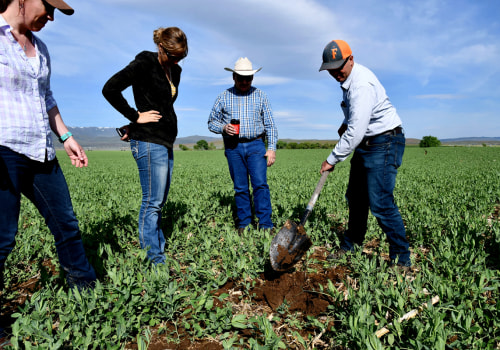
Regenerative agriculture represents a transformative approach to farming that seeks not only to sustain but to enhance the health of our ecosystems. At its core, regenerative agriculture is defined by practices that restore soil health, increase biodiversity, and improve water cycles. Unlike conventional farming methods that often deplete natural resources, regenerative practices aim to create a self-sustaining agricultural system that benefits both the environment and the farmer.The principles of regenerative agriculture are rooted in understanding the interconnectedness of soil, plants, animals, and humans. Key practices include cover cropping, crop rotation, agroforestry, and holistic grazing management.
These methods work together to build organic matter in the soil, which in turn enhances its fertility and resilience against pests and diseases. By focusing on soil health, regenerative agriculture not only improves crop yields but also sequesters carbon dioxide from the atmosphere, playing a vital role in combating climate change.Moreover, regenerative agriculture emphasizes the importance of local ecosystems and community involvement. Farmers are encouraged to observe and learn from their land, adapting their practices to fit the unique conditions of their environment. This localized approach fosters a deeper connection between farmers and their communities, promoting food sovereignty and resilience against global market fluctuations.As we delve deeper into the pros and cons of regenerative farming, it is essential to grasp these foundational concepts.
Understanding what regenerative agriculture entails will provide valuable context for evaluating its potential impact on our food systems and the environment.
The Benefits of Regenerative Farming
Regenerative farming offers a multitude of benefits that extend beyond mere crop production. This holistic approach to agriculture emphasizes the restoration and enhancement of ecosystems, leading to significant positive impacts on the environment, economy, and community health.Improved Soil Health
One of the most notable advantages of regenerative agriculture is its ability to improve soil health. Traditional farming practices often lead to soil degradation, compaction, and nutrient depletion. In contrast, regenerative methods such as cover cropping, reduced tillage, and crop rotation help to:
- Enhance soil structure and fertility
- Increase organic matter content
- Promote beneficial microbial activity
Biodiversity Enhancement
Regenerative farming practices also contribute to increased biodiversity on farms.
By creating diverse ecosystems that include various plant species, farmers can:
- Attract beneficial insects and pollinators
- Reduce pest populations naturally
- Support wildlife habitats
Carbon Sequestration
Another significant benefit of regenerative agriculture is its potential for carbon sequestration. Through practices like agroforestry and managed grazing, carbon dioxide is captured from the atmosphere and stored in the soil. This process helps mitigate climate change by:
- Reducing greenhouse gas emissions
- Improving soil carbon stocks
- Enhancing ecosystem resilience against climate variability
Economic Advantages for Farmers
Adopting regenerative practices can lead to economic benefits for farmers as well. While the transition may require initial investments in new techniques and education, the long-term advantages include:
- Reduced input costs due to lower reliance on synthetic fertilizers and pesticides
- Higher crop yields from improved soil health
- Access to premium markets that value sustainably produced goods
From enhancing soil health and biodiversity to contributing positively to climate change mitigation and providing economic advantages, this approach is gaining traction as a viable solution for sustainable agriculture.
Environmental Impact: A Closer Look
Regenerative agriculture is not just a farming method; it represents a holistic approach to land management that prioritizes the health of ecosystems. By focusing on practices that restore and enhance the natural environment, regenerative agriculture offers numerous environmental benefits that contribute to sustainability and ecological balance.One of the most significant advantages of regenerative agriculture is its ability to improve soil health. Healthy soils are rich in organic matter, which enhances their capacity to retain water and nutrients. This leads to:- Increased Biodiversity: Regenerative practices promote a diverse range of microorganisms, insects, and plants, creating a balanced ecosystem that supports various forms of life.
- Carbon Sequestration: By enhancing soil organic matter, regenerative agriculture can capture carbon dioxide from the atmosphere, helping to mitigate climate change.
- Reduced Erosion: Practices such as cover cropping and reduced tillage protect the soil from erosion, preserving its structure and fertility.
This shift not only reduces chemical runoff into waterways but also promotes healthier ecosystems. The absence of harmful chemicals allows for:
- Cleaner Water Sources: With fewer pollutants entering rivers and lakes, aquatic ecosystems can thrive, supporting fish populations and other wildlife.
- Enhanced Pollinator Health: By creating a more hospitable environment for pollinators like bees and butterflies, regenerative practices contribute to the overall health of agricultural systems.
- Improved Climate Resilience: Farms that implement regenerative techniques are often better equipped to withstand extreme weather events, such as droughts or floods.
- Sustainable Food Systems: By fostering biodiversity and soil health, regenerative agriculture can create more resilient food systems that are less dependent on external inputs.
As we continue to face environmental challenges, embracing regenerative practices may be one of the most effective strategies for ensuring a sustainable future.
Challenges and Drawbacks of Regenerative Farming
While regenerative agriculture offers numerous benefits, it is not without its challenges and drawbacks. Understanding these limitations is crucial for farmers considering this transition, as well as for policymakers and consumers who support sustainable practices.Labor Intensity
One of the most significant challenges of regenerative farming is the increased labor intensity associated with its practices. Unlike conventional farming, which often relies on mechanization and chemical inputs, regenerative methods require more manual labor. Farmers may need to engage in activities such as:- Hand weeding
- Cover cropping
- Crop rotation
- Soil amendment application
The physical demands of regenerative practices can deter some farmers, especially those with limited labor resources.
Knowledge Gaps
Another significant hurdle is the knowledge gap surrounding regenerative practices. Many farmers may lack the necessary training or understanding of how to implement these methods effectively. This includes:- Understanding soil health and biology
- Implementing crop diversity strategies
- Managing livestock in a regenerative context
- Utilizing agroecological principles
Initial Costs and Financial Barriers
The transition to regenerative agriculture often requires significant upfront investments.Farmers may need to purchase new equipment, seeds, or soil amendments that align with regenerative practices. Additionally, there may be costs associated with:
- Consultation services for transitioning farms
- Certification processes for organic or regenerative labels
- Research and development of new farming techniques
Economic Considerations in Regenerative Agriculture
As the agricultural landscape evolves, understanding the economic impact of regenerative agriculture becomes increasingly vital for farmers and stakeholders.This approach not only emphasizes environmental sustainability but also presents unique financial opportunities and challenges.
Cost Analysis of Regenerative Agriculture
Transitioning to regenerative practices often involves initial costs that can be daunting. Farmers may need to invest in new equipment, seeds, and training to adopt methods such as cover cropping, crop rotation, and holistic grazing. These upfront expenses can lead to a significant financial burden, especially for those accustomed to conventional farming methods.However, it is essential to consider the long-term savings associated with regenerative agriculture. By improving soil health, farmers can reduce their reliance on synthetic fertilizers and pesticides, which can lead to lower input costs over time.
Additionally, healthier soils can enhance crop resilience against pests and diseases, potentially decreasing losses and increasing yields.
Financial Benefits and Market Opportunities
The shift towards regenerative agriculture opens up new market opportunities. Consumers are increasingly seeking sustainably produced food, leading to a growing demand for products labeled as organic or regenerative. Farmers who adopt these practices may find they can command higher prices for their crops due to their enhanced quality and sustainability credentials.Moreover, regenerative agriculture can attract investment from various sources, including government programs aimed at promoting sustainable practices. Grants and subsidies can help offset the initial costs of transitioning, making it more feasible for farmers to adopt these methods.
Risks and Considerations
Despite the potential benefits, there are inherent risks associated with transitioning to regenerative agriculture.
The learning curve can be steep, and not all practices will yield immediate results. Farmers may face uncertainty regarding market acceptance of their products or fluctuations in consumer demand.Additionally, the transition period may result in temporary declines in yield as soils recover and ecosystems stabilize. Farmers must be prepared for these challenges and have a solid financial plan in place to navigate this period effectively.In conclusion, while the economic considerations of regenerative agriculture present both opportunities and challenges, the potential for long-term profitability and sustainability makes it a compelling option for many farmers. By carefully analyzing costs, exploring market opportunities, and preparing for risks, stakeholders can make informed decisions that align with both their financial goals and environmental values.
Case Studies: Successful Regenerative Farms
Regenerative agriculture is not just a theoretical concept; it has been successfully implemented in various farms around the world, showcasing its potential to transform agricultural practices and improve environmental health.Here are some notable case studies that highlight the effectiveness of regenerative farming.
1.Polyface Farm, Virginia
Founded by Joel Salatin , Polyface Farm is a prime example of regenerative agriculture in action. This farm utilizes a holistic management approach that integrates livestock and crop production. By employing rotational grazing techniques, Salatin has improved soil health, increased biodiversity, and enhanced the nutritional quality of his products. The farm's practices have led to a significant reduction in chemical inputs, demonstrating that sustainable farming can be both profitable and environmentally friendly.2.White Oak Pastures, Georgia
White Oak Pastures is another success story in regenerative agriculture, run by Will Harris.This multi-species farm focuses on holistic land management and animal welfare. By rotating livestock across different pastures, Harris has restored degraded land, improved soil fertility, and increased carbon sequestration. The farm also emphasizes local food systems by selling directly to consumers, which strengthens community ties and reduces transportation emissions.
3.Kiss the Ground, California
The organization Kiss the Ground has been instrumental in promoting regenerative practices among farmers in California. Through education and advocacy, they have helped numerous farms transition to regenerative methods.One notable example is the work done with almond growers who have adopted cover cropping and reduced tillage practices. These changes have led to improved soil health, reduced water usage, and increased resilience against pests and diseases.
4.The Rodale Institute, Pennsylvania
The Rodale Institute has been at the forefront of research on regenerative agriculture for decades. Their long-term studies demonstrate that organic and regenerative practices can outperform conventional methods in terms of yield stability and soil health. Their findings have inspired many farmers to adopt regenerative techniques, proving that these methods can be viable alternatives to industrial agriculture.These case studies illustrate that regenerative agriculture is not only feasible but also beneficial for farmers, consumers, and the environment.By learning from these successful implementations, more farmers can be encouraged to adopt regenerative practices that promote sustainability and resilience in our food systems.
The Role of Technology in Regenerative Agriculture
In the evolving landscape of regenerative agriculture, technology plays a pivotal role in enhancing practices that prioritize sustainability and ecosystem health. As farmers seek to restore soil vitality and improve biodiversity, innovative technological solutions are emerging to support these goals.Precision Agriculture Tools
One of the most significant advancements in sustainable farming is the use of precision agriculture tools. These technologies utilize data analytics, GPS, and remote sensing to optimize farming practices. By providing real-time insights into soil health, moisture levels, and crop conditions, farmers can make informed decisions that align with regenerative principles.For instance, soil sensors can monitor nutrient levels and moisture content, allowing for targeted interventions that minimize waste and enhance soil fertility.
Drones and Aerial Imaging
Drones equipped with advanced imaging technology are revolutionizing how farmers assess their fields. Aerial imagery can identify areas of stress or disease in crops, enabling timely interventions that prevent further damage. This proactive approach not only supports crop health but also reduces the need for chemical inputs, aligning with the core tenets of regenerative farming.Biotechnology and Soil Health
Biotechnology is another frontier in regenerative agriculture. Innovations such as microbial inoculants and biofertilizers are designed to enhance soil microbiomes, promoting nutrient cycling and improving plant resilience.These products can help restore degraded soils by reintroducing beneficial microorganisms that have been lost due to conventional farming practices.
Data Management Platforms
The integration of data management platforms allows farmers to track their regenerative practices over time. By analyzing data on crop yields, soil health metrics, and environmental conditions, farmers can refine their approaches and share best practices within their communities. This collaborative aspect fosters a culture of continuous improvement and innovation in regenerative agriculture.Conclusion
The intersection of technology and regenerative agriculture presents exciting opportunities for farmers committed to sustainable practices. By leveraging precision tools, aerial imaging, biotechnology, and data management systems, they can enhance their efforts to restore ecosystems while maintaining productivity.As these technologies continue to evolve, they will undoubtedly play a crucial role in shaping the future of sustainable farming.
Government Policies and Support for Regenerative Practices
Government policies play a crucial role in shaping the landscape of regenerative agriculture. As this farming approach gains traction, it is essential to understand how governmental support—or lack thereof—can influence its adoption among farmers. Effective policies can provide the necessary framework for farmers to transition from conventional practices to more sustainable methods.One of the primary ways governments can support regenerative practices is through subsidies. These financial incentives can help offset the initial costs associated with transitioning to regenerative methods, which often require new equipment, training, and changes in land management.For instance, programs that offer grants or low-interest loans for farmers willing to adopt cover cropping, crop rotation, and agroforestry can significantly ease the financial burden.Moreover, policies promoting sustainable farming can include tax breaks for farmers who implement regenerative practices. Such incentives not only encourage farmers to adopt these methods but also signal a commitment from the government towards sustainability in agriculture. Additionally, governments can establish certification programs that recognize and reward farms practicing regenerative agriculture, thereby enhancing their marketability.However, the current landscape is not without challenges. Many farmers report that existing agricultural policies still favor conventional farming methods, which can create barriers to adopting regenerative practices.
For example, subsidies for synthetic fertilizers and pesticides often overshadow support for organic or regenerative alternatives. This misalignment can discourage farmers from making the switch, as they may perceive regenerative practices as less economically viable.Furthermore, education and outreach are vital components of effective policy implementation. Governments should invest in programs that educate farmers about the benefits of regenerative agriculture and provide resources for those looking to transition. Collaborations with agricultural extension services can facilitate workshops and training sessions that equip farmers with the knowledge and skills needed to implement these practices successfully.In conclusion, while there are significant opportunities for government policies to promote regenerative agriculture, there are also considerable hurdles that need addressing.
By aligning subsidies with sustainable practices and investing in education and outreach, governments can create an environment where regenerative farming thrives, ultimately benefiting both farmers and the environment.
Future Trends in Regenerative Agriculture
As we look to the future of regenerative agriculture, several trends are emerging that promise to reshape the landscape of sustainable farming. These trends not only reflect a growing awareness of environmental issues but also highlight the innovative practices that farmers are adopting to enhance soil health and biodiversity.One significant trend is the increasing integration of technology in regenerative practices. Farmers are beginning to utilize advanced tools such as drones , soil sensors , and data analytics to monitor crop health and soil conditions more effectively. This technological advancement allows for precise interventions, reducing waste and improving yields while maintaining ecological balance.Another promising direction is the rise of community-supported agriculture (CSA) models that emphasize local food systems.By connecting consumers directly with farmers, these models foster a sense of community and encourage sustainable practices. As consumers become more conscious of their food sources, the demand for locally grown, regeneratively farmed products is likely to increase.
Agroecology
is also gaining traction as a holistic approach that combines traditional farming knowledge with modern science. This method focuses on creating resilient ecosystems by promoting biodiversity, enhancing soil fertility, and reducing dependency on chemical inputs. The future may see more farmers adopting agroecological principles as they seek to create sustainable and productive farming systems.The concept of carbon farming is another trend that is expected to gain momentum.
By implementing practices that sequester carbon in the soil, farmers can not only improve soil health but also contribute to climate change mitigation efforts. Programs that incentivize carbon sequestration through regenerative practices are likely to emerge, providing financial benefits to farmers who adopt these methods.Finally, education and training will play a crucial role in the future of regenerative agriculture. As more farmers seek to transition from conventional methods, access to resources and knowledge will be essential. Organizations dedicated to providing training in regenerative practices will become increasingly important, ensuring that farmers are equipped with the skills needed to thrive in this evolving agricultural landscape.In conclusion, the future of regenerative agriculture looks promising, driven by technological advancements, community engagement, holistic approaches, carbon farming initiatives, and robust educational support.
As these trends continue to develop, they will not only enhance agricultural sustainability but also contribute significantly to global efforts in combating climate change.
Conclusion: The Path Forward for Regenerative Agriculture
As we reflect on the multifaceted landscape of regenerative agriculture, it becomes clear that this innovative approach to farming holds significant promise for the future of our food systems. Throughout this article, we have explored the various advantages and challenges associated with regenerative practices, emphasizing the need for a balanced perspective.One of the most compelling benefits of regenerative agriculture is its potential to restore soil health. By prioritizing practices that enhance biodiversity, improve soil structure, and increase organic matter, farmers can create resilient ecosystems that not only support crop production but also contribute to carbon sequestration. This is particularly crucial in the face of climate change, as healthier soils can mitigate some of the adverse effects of extreme weather events.However, it is essential to acknowledge the challenges that come with transitioning to regenerative methods.The increased labor intensity and the need for new skills can be daunting for many farmers accustomed to conventional practices. Additionally, the lack of government support and standardized certifications can hinder widespread adoption. Addressing these barriers will require collaboration among farmers, policymakers, and educational organizations.To move forward effectively, stakeholders must engage in open dialogues about the future of agriculture. This includes:
- Investing in Education: Providing resources and training for farmers to learn about regenerative techniques will empower them to make informed decisions.
- Encouraging Research: Continued research into the long-term impacts of regenerative practices will help refine methods and demonstrate their viability.
- Advocating for Policy Changes: Lobbying for government incentives and subsidies that support regenerative farming can facilitate a smoother transition for those willing to adopt these practices.
By fostering a culture of innovation and collaboration, we can pave the way for a more sustainable future that benefits not only farmers but also consumers and the planet as a whole. The journey towards embracing regenerative practices is just beginning, and it is one that deserves our attention and commitment.