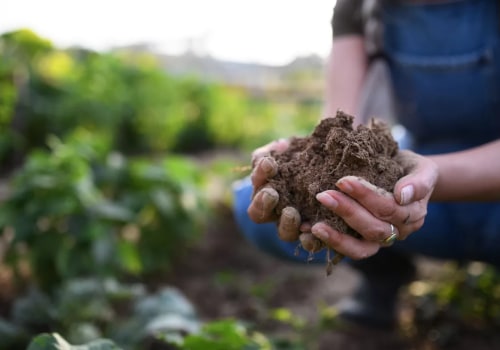
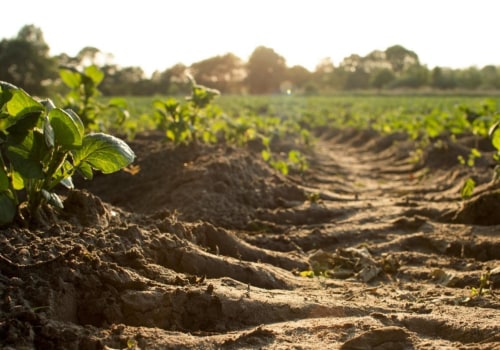
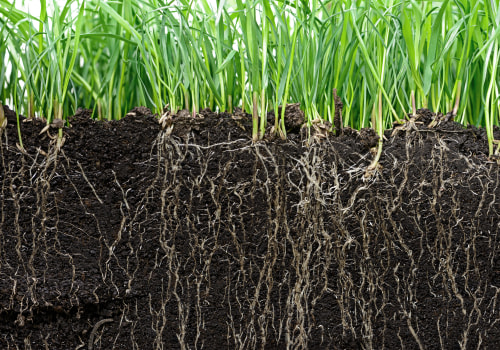
Regenerative agriculture is an innovative approach to farming that seeks to restore and enhance the health of ecosystems while producing food. Unlike conventional agricultural practices that often deplete soil health and biodiversity, regenerative agriculture focuses on a holistic system that works in harmony with nature. This method not only aims to sustain agricultural productivity but also to regenerate the land, making it more resilient to climate change and other environmental stresses.At its core, regenerative agriculture is defined by a set of principles that guide farmers in their practices. These principles include minimizing soil disturbance, maintaining soil cover, promoting biodiversity, and integrating livestock into crop production systems.
By adhering to these guidelines, farmers can improve soil structure and fertility, increase water retention, and enhance the overall ecosystem health. This approach recognizes the interconnectedness of soil, plants, animals, and humans, fostering a sustainable cycle that benefits all.One of the key tenets of regenerative agriculture is the emphasis on building organic matter in the soil. This is achieved through practices such as cover cropping, crop rotation, and agroforestry. These methods not only enrich the soil with nutrients but also sequester carbon dioxide from the atmosphere, contributing to climate change mitigation.
Furthermore, regenerative agriculture encourages the use of natural inputs rather than synthetic fertilizers and pesticides, promoting a healthier environment for both farmers and consumers.As we delve deeper into the topic of regenerative agriculture, it is essential to understand its potential benefits as well as the myths surrounding it. By exploring these aspects, we can better appreciate how regenerative practices can transform our food systems and contribute to a more sustainable future.
The Myths Surrounding Regenerative Agriculture
As regenerative agriculture gains traction, a number of myths and misconceptions have emerged, often clouding the understanding of its true potential and practices. Addressing these myths is crucial for fostering a more informed dialogue about sustainable farming methods.Myth 1: Regenerative Agriculture is Just Organic Farming
While both regenerative and organic farming prioritize sustainability, they are not synonymous. Organic farming focuses primarily on avoiding synthetic chemicals and fertilizers, whereas regenerative agriculture encompasses a broader range of practices aimed at restoring soil health, enhancing biodiversity, and improving ecosystem resilience.
This includes techniques such as cover cropping, crop rotation, and holistic grazing management that go beyond organic standards.
Myth 2: Regenerative Agriculture is Only for Large Farms
Another common misconception is that regenerative agriculture is only feasible for large-scale operations. In reality, regenerative practices can be adapted to farms of all sizes, including small family farms. Many smallholders have successfully implemented regenerative techniques to improve their soil health and increase productivity while also enhancing their local ecosystems.
Myth 3: It Requires Significant Investment
Some believe that transitioning to regenerative agriculture necessitates a hefty financial investment in new technologies or equipment. However, many regenerative practices can be implemented with minimal cost by utilizing existing resources and knowledge.
For instance, farmers can adopt cover cropping or rotational grazing without significant upfront expenses, leading to long-term savings through improved soil fertility and reduced input costs.
Myth 4: Regenerative Agriculture Cannot Compete with Conventional Farming
This myth suggests that regenerative agriculture cannot produce yields comparable to conventional farming methods. However, research indicates that regenerative practices can lead to increased yields over time due to enhanced soil health and resilience against pests and diseases. A study published in the journal Nature Sustainability found that farms practicing regenerative methods often outperformed conventional farms in terms of productivity during drought conditions.
Myth 5: It’s a Fad That Will Fade Away
Some skeptics dismiss regenerative agriculture as a passing trend. Yet, the growing body of scientific research supporting its benefits and the increasing demand for sustainable food systems suggest otherwise.
As consumers become more aware of environmental issues and seek out sustainable options, regenerative agriculture is likely to play a pivotal role in the future of food production.By debunking these myths surrounding regenerative agriculture, we can pave the way for a more accurate understanding of its benefits and challenges. This clarity is essential for encouraging farmers to adopt these practices and for consumers to support sustainable food systems.
The Benefits of Regenerative Agriculture
Regenerative agriculture offers a multitude of benefits that extend beyond mere crop yields. By focusing on holistic farming practices, it enhances soil health, promotes biodiversity, and fosters community well-being.Improvement of Soil Health
- One of the most significant advantages of regenerative agriculture is its ability to improve soil health. Through practices such as cover cropping, reduced tillage, and crop rotation, farmers can enhance soil structure and fertility.
- These methods increase organic matter in the soil, which in turn boosts nutrient availability for plants.
Healthy soils are more resilient to erosion and drought, making them crucial for sustainable food production.
- Moreover, regenerative practices can lead to increased carbon sequestration, helping to mitigate climate change by storing carbon in the soil rather than releasing it into the atmosphere.
Enhancement of Biodiversity
- Regenerative agriculture also plays a vital role in enhancing biodiversity. By creating diverse ecosystems on farms, these practices support a wide range of plant and animal species.
- This biodiversity is essential for maintaining ecological balance and resilience. For instance, diverse plant species can attract beneficial insects that help control pests naturally, reducing the need for chemical pesticides.
- Additionally, healthy ecosystems contribute to pollinator health, which is critical for crop production and overall food security.
Community Well-Being
- The positive impacts of regenerative agriculture extend to local communities as well. Farms that adopt these practices often see improved water quality due to reduced runoff and better management of natural resources.
- Furthermore, regenerative agriculture can enhance food security by producing nutrient-dense foods that are beneficial for human health.
This is particularly important in areas where access to fresh produce is limited.
- By fostering local economies through sustainable practices, regenerative agriculture can create jobs and support community resilience against economic fluctuations.
How Regenerative Agriculture Improves Soil Health
Soil health is a cornerstone of regenerative agriculture, playing a crucial role in the overall sustainability of farming practices. By focusing on enhancing soil quality, regenerative methods not only improve crop yields but also contribute to environmental resilience. One of the primary techniques employed in regenerative agriculture is cover cropping , which involves planting specific crops during off-seasons to protect and enrich the soil.Cover crops, such as clover or rye, serve multiple purposes.They prevent soil erosion, suppress weeds, and enhance soil structure. As these plants grow, their roots penetrate the soil, creating channels that improve aeration and water infiltration. When cover crops decompose, they add organic matter back into the soil, enriching it with essential nutrients that promote healthy plant growth.Another vital practice in regenerative agriculture is reduced tillage. Traditional farming often relies on extensive tilling, which can disrupt soil structure and lead to the loss of organic matter.
In contrast, reduced tillage minimizes soil disturbance, allowing for a more stable ecosystem within the soil. This stability fosters a diverse community of microorganisms that are essential for nutrient cycling and overall soil health.The role of soil in sustainable farming cannot be overstated. Healthy soils are teeming with life, including bacteria, fungi, and earthworms, all of which contribute to nutrient availability and plant health. By adopting regenerative practices that focus on building soil health, farmers can create a self-sustaining system that reduces reliance on chemical fertilizers and pesticides.Moreover, improved soil health has far-reaching implications for climate change mitigation.
Healthy soils can sequester carbon dioxide from the atmosphere, helping to combat global warming. This process not only benefits the environment but also enhances farm resilience against extreme weather events.In summary, regenerative agriculture's emphasis on improving soil health through techniques like cover cropping and reduced tillage is essential for sustainable farming. By nurturing the very foundation of our food systems, we can ensure a healthier planet for future generations.
Economic Viability of Regenerative Agriculture
The economic viability of regenerative agriculture is a critical consideration for farmers and stakeholders looking to adopt sustainable practices. While the environmental benefits are often highlighted, understanding the financial implications can significantly influence the decision-making process.One of the primary economic advantages of regenerative agriculture is its potential for cost savings.By focusing on soil health and biodiversity, farmers can reduce their reliance on expensive chemical fertilizers and pesticides. This shift not only lowers input costs but also enhances soil fertility over time, leading to improved crop yields. For instance, a study conducted by the Rodale Institute found that regenerative practices can increase soil organic matter, which in turn boosts water retention and nutrient availability, ultimately resulting in healthier crops.Moreover, regenerative agriculture can lead to lower operational costs through practices such as cover cropping and crop rotation. These methods help suppress weeds and pests naturally, reducing the need for herbicides and insecticides.
Additionally, by improving soil structure and health, farmers may find they require less irrigation, further cutting down on water costs.Another significant aspect of the economic viability of regenerative agriculture is the growing market demand for sustainably produced goods. Consumers are increasingly seeking out products that are not only healthy but also environmentally friendly. This trend has opened up new market opportunities for farmers who adopt regenerative practices. For example, products labeled as organic or sustainably sourced often command higher prices in the marketplace, allowing farmers to potentially increase their profit margins.Furthermore, participation in carbon credit programs can provide additional financial incentives for farmers practicing regenerative agriculture.
By sequestering carbon in the soil through improved farming techniques, producers can earn credits that can be sold on carbon markets. This not only contributes to climate change mitigation but also offers a new revenue stream for farmers.In conclusion, while transitioning to regenerative agriculture may require an initial investment in education and practice changes, the long-term economic benefits—ranging from reduced input costs to new market opportunities—make it a compelling option for many farmers. As more evidence emerges supporting the financial viability of these practices, it is likely that we will see an increasing number of producers embracing regenerative methods as a sustainable path forward.
Challenges and Limitations of Regenerative Agriculture
While regenerative agriculture offers numerous benefits, it is not without its challenges and limitations. Understanding these obstacles is crucial for farmers considering the transition to regenerative practices, as well as for stakeholders in the agricultural sector.1.Knowledge and Training Gaps
One of the primary challenges in adopting regenerative agriculture is the lack of knowledge and training among farmers.
Many traditional farming practices are deeply ingrained, and shifting to regenerative methods requires a significant change in mindset. Farmers may need access to educational resources, workshops, and mentorship programs to learn about soil health, biodiversity, and holistic management techniques.
2.Initial Costs and Financial Risks
Transitioning to regenerative agriculture can involve substantial upfront costs. Farmers may need to invest in new equipment, cover crops, or organic inputs that differ from conventional farming methods. Additionally, there may be a period of reduced yields as the soil ecosystem adjusts to new practices.
This financial risk can deter farmers from making the switch, especially if they are already operating on tight margins.
3.Market Access and Consumer Demand
Another limitation is the challenge of accessing markets that value regenerative products. While consumer interest in sustainable food is growing, not all markets are willing to pay a premium for products labeled as regenerative. Farmers may struggle to find buyers who appreciate the benefits of their practices or who are willing to support them financially.
4.Climate Variability and Environmental Factors
Regenerative agriculture aims to build resilience against climate change; however, extreme weather events such as droughts or floods can still pose significant challenges. These environmental factors can disrupt farming operations and impact soil health, making it difficult for farmers to maintain consistent regenerative practices.
5.Policy and Regulatory Barriers
Government policies often favor conventional agricultural practices through subsidies and support programs.
This can create an uneven playing field for farmers who wish to adopt regenerative methods. Advocating for policy changes that recognize and support regenerative agriculture is essential for overcoming these barriers.In conclusion, while regenerative agriculture holds great promise for sustainable food systems, it is essential to acknowledge the challenges that farmers face when implementing these practices. By addressing knowledge gaps, financial risks, market access issues, environmental variability, and policy barriers, stakeholders can work together to create a more supportive environment for regenerative agriculture.
Case Studies: Success Stories in Regenerative Agriculture
Regenerative agriculture is not just a theoretical concept; it has been successfully implemented in various settings around the world. These case studies highlight the transformative potential of regenerative practices, showcasing how farmers have improved their land, increased biodiversity, and enhanced their economic viability.1.The Rodale Institute: Pioneering Research and Practices
Located in Pennsylvania, the Rodale Institute has been at the forefront of regenerative agriculture research for decades.
Their long-term studies have demonstrated that organic farming methods, which align closely with regenerative principles, can significantly improve soil health and crop yields. For instance, their research showed that cover cropping and crop rotation not only enhanced soil fertility but also reduced erosion and increased water retention. Farmers who adopted these practices reported a 30% increase in yields over conventional methods.
2.White Oak Pastures: A Holistic Approach to Livestock Farming
White Oak Pastures in Georgia is a prime example of how regenerative agriculture can be applied to livestock operations. This multi-species farm integrates cattle, sheep, goats, and poultry into its grazing system.
By rotating animals through different pastures, they mimic natural grazing patterns, which helps restore soil health and sequester carbon. The farm has seen a remarkable increase in biodiversity, with native grasses returning and wildlife flourishing. Additionally, their commitment to humane animal treatment has attracted a loyal customer base willing to pay premium prices for ethically raised meat.
3.The Savory Institute: Restoring Grasslands
The Savory Institute focuses on holistic management practices that restore grasslands worldwide. One notable success story comes from Zimbabwe, where local farmers implemented rotational grazing techniques to combat desertification.
By allowing pastures to rest and recover, they observed a resurgence of native vegetation and improved soil structure. This not only enhanced the land's productivity but also increased the farmers' resilience against climate variability.
4.Kiss the Ground: Community Engagement and Education
Kiss the Ground is an organization dedicated to educating farmers and consumers about regenerative agriculture's benefits. Their initiatives have led to successful community projects across California, where local farmers have adopted regenerative practices such as composting and agroforestry. These efforts have resulted in healthier soils and increased crop diversity while fostering community engagement around sustainable food systems.These case studies illustrate that regenerative agriculture is not merely an idealistic vision but a practical approach that yields tangible benefits for both the environment and farming communities.
As more farmers embrace these methods, the potential for widespread ecological restoration becomes increasingly achievable.
Future Trends in Regenerative Agriculture
As we look toward the future of regenerative agriculture, several key trends and innovations are emerging that promise to reshape the landscape of sustainable farming. These developments not only aim to enhance productivity but also focus on environmental stewardship and community resilience.1.Integration of Technology
- Precision Agriculture: The use of drones, sensors, and satellite imagery is becoming increasingly common in regenerative practices. These technologies allow farmers to monitor soil health, crop conditions, and water usage in real-time, enabling more informed decision-making.
- Data Analytics: Advanced data analytics tools are being utilized to analyze vast amounts of agricultural data. This helps in predicting crop yields, optimizing resource use, and identifying the best practices for specific environments.
2.Agroecological Practices
- Diverse Crop Rotations: Future trends indicate a shift towards more diverse crop rotations that enhance soil health and reduce pest pressures.
By planting a variety of crops, farmers can improve biodiversity and resilience against climate change.
- Permaculture Principles: The adoption of permaculture principles is gaining traction, emphasizing the design of agricultural systems that mimic natural ecosystems. This approach fosters sustainability and reduces reliance on synthetic inputs.
3.Community Engagement and Education
- Local Food Systems: There is a growing emphasis on building local food systems that connect consumers directly with producers. This not only supports local economies but also encourages sustainable practices among farmers.
- Educational Initiatives: As awareness of regenerative agriculture increases, educational programs are being developed to train new farmers in these practices. Workshops, online courses, and community events are essential for spreading knowledge and fostering innovation.
4.Policy Support and Incentives
- Government Initiatives: Policymakers are beginning to recognize the importance of regenerative agriculture in addressing climate change and food security.
Incentives for farmers adopting these practices are likely to increase, promoting wider adoption.
- Sustainability Certifications: The development of new sustainability certifications can help consumers identify products from regenerative farms, encouraging more producers to transition to these practices.
Conclusion: The Path Forward for Regenerative Agriculture
As we conclude our exploration of regenerative agriculture, it is essential to reflect on the multifaceted nature of this farming practice. Throughout this article, we have delved into the various benefits that regenerative agriculture offers, such as enhanced soil health, increased biodiversity, and improved nutritional value of food products. These advantages are not merely theoretical; they are supported by a growing body of research and real-world examples from farmers who have successfully implemented these practices.However, it is equally important to acknowledge the challenges that accompany the transition to regenerative agriculture.While the potential for positive environmental impact is significant, the path forward is not without obstacles. Farmers may face initial financial burdens, a steep learning curve, and the need for community support to make this shift sustainable. Additionally, misconceptions about regenerative practices can hinder broader acceptance and implementation.To truly harness the power of regenerative agriculture, stakeholders—including farmers, consumers, policymakers, and researchers—must work collaboratively. Here are some key steps that can facilitate this journey:
- Education and Awareness: Increasing awareness about the principles and benefits of regenerative agriculture can empower consumers to make informed choices and support farmers who adopt these practices.
- Research and Development: Continued investment in research is crucial to identify best practices, optimize methods, and address challenges faced by farmers transitioning to regenerative systems.
- Policy Support: Governments can play a pivotal role by creating policies that incentivize sustainable practices, provide financial assistance for transitioning farmers, and promote local food systems.
- Community Engagement: Building networks among farmers practicing regenerative agriculture can foster knowledge sharing and collaboration, leading to more successful outcomes.
By embracing a holistic approach that considers ecological health alongside economic viability, we can pave the way for a resilient agricultural future. The journey towards regenerative practices is not just about farming; it’s about nurturing our planet and ensuring food security for generations to come.