In an era where the impacts of climate change are becoming increasingly evident, the need for sustainable farming practices has never been more urgent.
Regenerative agriculture
emerges as a beacon of hope, offering a holistic approach to farming that not only aims to sustain but actively restore the health of our soils. This innovative method goes beyond traditional agricultural practices by focusing on enhancing soil vitality, promoting biodiversity, and sequestering carbon, thereby playing a crucial role in mitigating climate change.At its core, regenerative agriculture is about understanding the intricate relationships within ecosystems and leveraging these connections to foster resilience. By implementing practices such as cover cropping, reduced tillage, and crop rotation, farmers can significantly improve soil structure and fertility.These methods encourage the proliferation of beneficial microorganisms and organic matter, which are essential for maintaining healthy soils. As a result, regenerative agriculture not only enhances crop yields but also contributes to a more stable climate by reducing greenhouse gas emissions.The benefits of regenerative agriculture extend far beyond the farm gate. Healthy soils are vital for food security, as they support diverse plant life and improve water retention, making crops more resilient to droughts and extreme weather events. Furthermore, by prioritizing ecological balance, regenerative practices can lead to increased biodiversity both above and below ground.
This holistic approach not only nurtures the land but also fosters a sustainable relationship between farmers and their environment.As we delve deeper into the principles and practices of regenerative agriculture throughout this article, it becomes clear that adopting these methods is not just beneficial for farmers; it is essential for the future of our planet. By embracing regenerative agriculture, we can work towards restoring soil health while simultaneously combating the pressing challenges posed by climate change.
The Principles of Regenerative Agriculture
Regenerative agriculture is built upon a foundation of key principles that aim to restore and enhance soil health while promoting environmental sustainability. Understanding these principles is crucial for farmers and agricultural practitioners who wish to adopt methods that not only yield crops but also contribute positively to the ecosystem.1.Minimizing Soil Disturbance
One of the cornerstones of regenerative agriculture is the practice of minimizing soil disturbance. Traditional farming methods often involve extensive tillage, which can disrupt the soil structure, harm beneficial microorganisms, and lead to erosion.
By reducing tillage or adopting no-till practices, farmers can maintain the integrity of the soil ecosystem. This approach helps preserve organic matter, enhances water retention, and fosters a thriving community of soil organisms that are essential for nutrient cycling.
2.Maximizing Living Roots
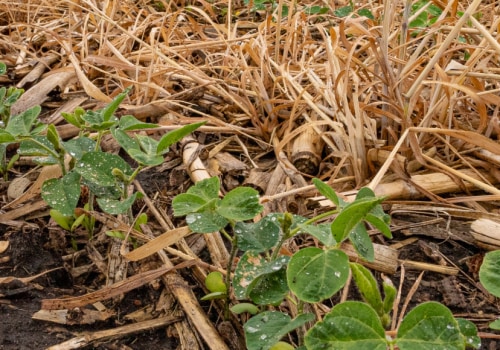
Another fundamental principle is maximizing living roots in the soil throughout the year. Keeping roots alive not only stabilizes the soil but also promotes the growth of beneficial fungi and bacteria. Cover crops, such as clover or rye, are often used to ensure that there are always living roots in the ground, even during off-seasons.
These plants help sequester carbon, improve soil structure, and enhance nutrient availability for subsequent crops.
3.Diversifying Crop Species
Diversification is a critical strategy in regenerative agriculture. By planting a variety of crops rather than monocultures, farmers can improve biodiversity and resilience against pests and diseases. Diverse cropping systems can enhance soil health by promoting different root structures and nutrient uptake patterns, which leads to a more balanced ecosystem. Additionally, crop rotation can break pest cycles and reduce reliance on chemical inputs.
4.Integrating Livestock
Integrating livestock into regenerative farming systems is another effective practice.
This method mimics natural grazing patterns found in wild herds, which can help manage pasture health and improve soil fertility through natural manure deposition. Holistic management techniques allow livestock to graze in a way that promotes plant regrowth and enhances soil organic matter. This integration not only supports animal welfare but also contributes to a more sustainable agricultural system.By adhering to these principles—minimizing soil disturbance, maximizing living roots, diversifying crops, and integrating livestock—farmers can create resilient agricultural systems that restore soil health and combat climate change effectively. These practices not only yield immediate benefits for crop production but also ensure long-term sustainability for future generations.
Benefits of Regenerative Agriculture for Soil Health
Regenerative agriculture offers a multitude of benefits that significantly enhance soil health, creating a more resilient and productive agricultural ecosystem.By implementing practices that focus on restoring and revitalizing the soil, farmers can witness profound improvements in various aspects of soil quality.
Enhanced Soil Structure
One of the primary benefits of regenerative agriculture is the enhancement of soil structure. Practices such as reduced tillage and cover cropping help to maintain the integrity of the soil. When soil is tilled excessively, it can lead to compaction and erosion, which diminishes its ability to support plant life. Regenerative methods promote the formation of aggregates—clumps of soil particles that improve aeration and water infiltration.
This improved structure allows roots to penetrate deeper, accessing nutrients and moisture more effectively.
Increased Organic Matter
Another significant advantage is the increase in organic matter within the soil. Organic matter is crucial for soil fertility as it serves as a reservoir for nutrients and enhances microbial activity. Regenerative practices such as composting, mulching, and planting cover crops contribute to higher levels of organic matter. As organic matter decomposes, it releases essential nutrients that plants need to thrive while also improving soil texture and moisture retention.
Improved Water Retention
Soil health is closely linked to its ability to retain water.
Regenerative agriculture enhances this capacity through improved organic matter content and better soil structure. Healthy soils can absorb and hold more water, reducing runoff and erosion during heavy rains while ensuring that crops have access to moisture during dry spells. This resilience is particularly vital in the face of climate change, where extreme weather events are becoming more common.
Promotion of Biodiversity
Regenerative agriculture also fosters biodiversity within the soil ecosystem. By diversifying crop rotations and integrating livestock into farming systems, farmers can create a more balanced ecosystem that supports a variety of organisms, from beneficial bacteria to earthworms.
This biodiversity is essential for nutrient cycling, pest control, and overall soil health. A rich microbial community helps break down organic materials, making nutrients available for plants while also suppressing harmful pathogens.In summary, the benefits of regenerative agriculture for soil health are profound and multifaceted. By enhancing soil structure, increasing organic matter, improving water retention, and promoting biodiversity, regenerative practices not only restore degraded soils but also contribute to a sustainable agricultural future.
Regenerative Agriculture and Climate Change Mitigation
As the world grapples with the escalating impacts of climate change, the role of regenerative agriculture in mitigating these effects has become increasingly vital. This innovative approach to farming not only focuses on enhancing soil health but also plays a significant role in carbon sequestration and reducing greenhouse gas emissions.Carbon Sequestration
One of the most compelling benefits of regenerative agriculture is its ability to sequester carbon in the soil.
Through practices such as cover cropping, reduced tillage, and agroforestry, farmers can enhance the organic matter in their soils. This organic matter acts as a sponge, capturing carbon dioxide from the atmosphere and storing it underground. Research indicates that healthy soils can sequester significant amounts of carbon, potentially offsetting a substantial portion of agricultural emissions.For instance, studies have shown that implementing cover crops can increase soil organic carbon levels by up to 1.5 tons per hectare annually. This not only contributes to climate change mitigation but also improves soil fertility and resilience against droughts and floods.
Reducing Greenhouse Gas Emissions
In addition to carbon sequestration, regenerative agriculture practices are effective in reducing greenhouse gas emissions.
Traditional farming methods often rely heavily on synthetic fertilizers and pesticides, which contribute to nitrous oxide emissions—a potent greenhouse gas. By adopting regenerative practices such as crop rotation and integrated pest management, farmers can minimize their reliance on these chemicals.
- Crop Rotation: Diversifying crops helps break pest cycles and reduces the need for chemical interventions.
- Integrated Livestock Management: Incorporating livestock into farming systems can enhance nutrient cycling and reduce waste.
- No-Till Farming: Minimizing soil disturbance preserves soil structure and reduces carbon loss.
A Resilient Agricultural System
The integration of regenerative agriculture into mainstream farming practices not only addresses climate change but also fosters a more resilient agricultural system. By improving soil health, farmers can enhance their crops' ability to withstand extreme weather events, such as droughts and heavy rainfall. This resilience is crucial as climate variability becomes more pronounced.Moreover, regenerative agriculture promotes biodiversity, which is essential for ecosystem stability.
A diverse agricultural landscape can better adapt to changing conditions, ensuring food security in the face of climate challenges.In conclusion, regenerative agriculture offers a multifaceted approach to combatting climate change through effective carbon sequestration and greenhouse gas reduction. By embracing these practices, farmers not only contribute to a healthier planet but also create sustainable agricultural systems capable of thriving amidst environmental uncertainties.
Case Studies: Successful Implementation of Regenerative Practices
Regenerative agriculture is not just a theoretical concept; it has been successfully implemented on numerous farms across the globe, showcasing its potential to restore soil health and enhance farm productivity. Here are some compelling case studies that illustrate the transformative power of regenerative practices.1.White Oak Pastures, Georgia
White Oak Pastures is a prime example of a farm that has embraced regenerative agriculture to revitalize its land. Located in Bluffton, Georgia, this multi-species farm integrates livestock grazing with crop production.By utilizing holistic planned grazing , the farm mimics natural herd movements, allowing the land to recover and regenerate. This practice has led to:
- Improved soil structure and fertility
- Increased biodiversity, with a resurgence of native plant species
- A significant reduction in greenhouse gas emissions through carbon sequestration
2.The Rodale Institute, Pennsylvania
The Rodale Institute has been at the forefront of regenerative agriculture research for decades. Their long-term studies demonstrate that regenerative practices can outperform conventional farming methods. Key findings include:- Soil organic matter increased by 22% over a 30-year period
- Higher yields in organic systems compared to conventional systems during drought years
- Enhanced resilience against pests and diseases due to increased biodiversity
3.Kiss the Ground, California
Kiss the Ground is an organization dedicated to promoting regenerative agriculture through education and advocacy.They have worked with various farmers in California to implement practices such as cover cropping and reduced tillage. Success stories from their initiatives include:
- A 30% increase in crop yields on farms that adopted cover cropping
- Improved water retention in soils, leading to less irrigation dependency
- Enhanced soil microbial activity, which supports plant healthEnhanced soil microbial activity, which supports plant health
Challenges and Misconceptions about Regenerative Agriculture
Despite the numerous benefits of regenerative agriculture, several challenges and misconceptions can hinder its adoption among farmers and stakeholders. Understanding these issues is crucial for fostering a more sustainable agricultural future.Initial Costs and Investment
One of the primary challenges associated with transitioning to regenerative agriculture is the initial financial investment.Farmers may face higher upfront costs due to the need for new equipment, seeds for cover crops, and potential changes in livestock management practices. This can be particularly daunting for those operating on tight margins or with limited access to capital.However, it is essential to recognize that while the initial costs may be higher, the long-term benefits often outweigh these expenses. Regenerative practices can lead to improved soil health, increased crop resilience, and ultimately higher yields over time. Additionally, many farmers report reduced input costs as they rely less on synthetic fertilizers and pesticides.
Time Investment for Results
Another misconception is that regenerative agriculture will yield immediate results.In reality, building healthy soil and restoring ecosystems takes time. Farmers may not see significant improvements in soil health or crop yields during the first few years of implementing regenerative practices. This delayed gratification can be discouraging for those accustomed to conventional farming methods that often provide quicker returns.It is important for farmers to adopt a long-term perspective when considering regenerative agriculture. Many studies indicate that noticeable improvements in soil health and biodiversity can occur within five to seven years of consistent practice.
Patience and commitment are key components of this transition.
Misunderstanding Regenerative vs. Conventional Farming
A common misconception is that regenerative agriculture is merely a more sustainable version of conventional farming. In truth, regenerative practices fundamentally differ from conventional methods in their approach to soil health and ecosystem management. While conventional farming often prioritizes short-term yields through chemical inputs, regenerative agriculture focuses on enhancing the natural processes within the soil.- Soil Health: Regenerative agriculture emphasizes building soil organic matter and promoting microbial diversity, whereas conventional methods may deplete soil health over time.
- Biodiversity: Regenerative practices encourage crop diversity and integrated livestock management, contrasting with monoculture systems prevalent in conventional farming.
- Carbon Sequestration: Regenerative agriculture actively seeks to sequester carbon in the soil, helping mitigate climate change effects, unlike conventional practices that often contribute to greenhouse gas emissions.
How to Get Involved in Regenerative Agriculture
Engaging with regenerative agriculture is not just a trend; it’s a movement towards sustainable farming that benefits both the environment and the economy.For individuals and farmers looking to adopt these practices, there are numerous pathways to get involved.
Educational Resources
One of the first steps in transitioning to regenerative agriculture is education. Numerous resources are available to help farmers understand the principles and practices involved:- Online Courses: Platforms like Coursera and edX offer courses on sustainable agriculture and regenerative practices. These courses often feature expert instructors and can be taken at your own pace.
- Books and Publications: Consider reading books such as "The Soil Will Save Us" by Kristin Ohlson or "Regenerative Agriculture" by Richard Perkins. These texts provide insights into the science behind soil health and practical applications.
- Webinars and Workshops: Organizations like the Rodale Institute frequently host webinars that cover various aspects of regenerative agriculture, from soil management to crop rotation strategies.
Community Initiatives
Joining community initiatives can also provide support and resources for those interested in regenerative agriculture:- Local Farming Groups: Many regions have local farming cooperatives or groups focused on sustainable practices.
Joining these groups can provide networking opportunities, shared resources, and collective learning experiences.
- Farmers' Markets: Participating in or visiting farmers' markets can connect you with local producers who practice regenerative methods. This not only supports local economies but also fosters a community of like-minded individuals.
- Volunteer Programs: Many non-profit organizations offer volunteer opportunities on farms that practice regenerative agriculture. This hands-on experience can be invaluable for understanding the day-to-day operations of sustainable farming.
Starting Small
If you’re a farmer looking to implement regenerative practices, consider starting small:- Begin with Cover Crops: Introduce cover crops into your rotation to improve soil health without overhauling your entire farming system.
- Pilot Projects: Test out regenerative techniques on a small section of your farm before committing fully. This allows you to assess what works best for your specific conditions.
- Document Your Progress: Keep track of changes in soil health, crop yields, and biodiversity as you implement new practices.
This data can help refine your approach and demonstrate the benefits of regenerative agriculture.
The Future of Regenerative Agriculture: Trends and Innovations
As we look to the future of regenerative agriculture, it is clear that a convergence of technology, innovative practices, and a growing awareness of environmental issues will shape the landscape of sustainable farming. The integration of advanced technologies is set to revolutionize how farmers implement regenerative practices, making them more efficient and effective.Technological Advancements
One of the most promising trends in regenerative agriculture is the use of precision agriculture technologies. These tools utilize data analytics, satellite imagery, and IoT (Internet of Things) devices to monitor soil health, crop conditions, and environmental factors in real-time. By providing farmers with detailed insights, these technologies enable them to make informed decisions that enhance soil regeneration and optimize resource use.- Soil Sensors: These devices measure moisture levels, nutrient content, and microbial activity in the soil.
This data helps farmers adjust their practices to improve soil health.
- Drones: Drones equipped with multispectral cameras can assess crop health and identify areas needing attention, allowing for targeted interventions.
- Data Management Platforms: Software solutions that aggregate data from various sources help farmers analyze trends over time, facilitating better planning and management.
Innovative Farming Practices
In addition to technological advancements, innovative farming practices are emerging that align with the principles of regenerative agriculture. For instance, agroforestry—integrating trees into agricultural landscapes—has gained traction as a method to enhance biodiversity, improve soil structure, and sequester carbon. This practice not only benefits the environment but also provides additional income streams for farmers through timber or fruit production.Another trend is the rise of community-supported agriculture (CSA) models that connect consumers directly with local farmers. This approach fosters a sense of community while promoting sustainable practices.Consumers are increasingly interested in knowing where their food comes from and how it is produced, driving demand for regenerative methods.
The Role of Education and Advocacy
The future of regenerative agriculture also hinges on education and advocacy. As more farmers adopt these practices, sharing knowledge through workshops, online platforms, and farmer networks will be crucial. Organizations dedicated to promoting regenerative agriculture can play a significant role in providing resources and support to farmers transitioning from conventional methods.In conclusion, the future of regenerative agriculture is bright, driven by technological innovations and a commitment to sustainable practices. As these trends continue to evolve, they will not only enhance soil health but also contribute significantly to combating climate change and ensuring food security for future generations.Conclusion: The Path Forward with Regenerative Agriculture
As we reflect on the transformative potential of regenerative agriculture, it becomes clear that this approach is not merely a trend but a necessary evolution in our agricultural practices.The principles of regenerative agriculture—maximizing living roots, minimizing soil disturbance, diversifying crop species, and integrating livestock—offer a comprehensive framework for restoring soil health and enhancing biodiversity. These practices not only rejuvenate the land but also play a crucial role in mitigating the impacts of climate change.Throughout this discussion, we have seen how regenerative agriculture can lead to significant improvements in soil quality, which in turn supports higher crop yields and resilience against extreme weather conditions. By fostering a healthy soil ecosystem, farmers can reduce their reliance on chemical fertilizers and pesticides, leading to more sustainable farming practices that benefit both the environment and human health.Moreover, the economic advantages of adopting regenerative practices cannot be overlooked. Farmers who implement these methods often find that they can reduce costs associated with inputs while increasing their profitability through enhanced crop performance.
This dual benefit of environmental restoration and economic viability makes regenerative agriculture an appealing choice for farmers looking to future-proof their operations.However, the transition to regenerative agriculture requires commitment and collaboration among all stakeholders in the agricultural sector. Farmers, policymakers, researchers, and consumers must work together to create an ecosystem that supports these sustainable practices. Educational initiatives, financial incentives, and community support are essential components in encouraging more farmers to adopt regenerative methods.In conclusion, embracing regenerative agriculture is not just about improving farming techniques; it is about fostering a holistic relationship with our planet. By prioritizing soil health and biodiversity, we can combat climate change effectively while ensuring food security for future generations.
It is imperative that we take action now—whether by supporting local farmers who practice regenerative methods or advocating for policies that promote sustainable agriculture. Together, we can pave the way for a healthier planet and a more resilient agricultural system.