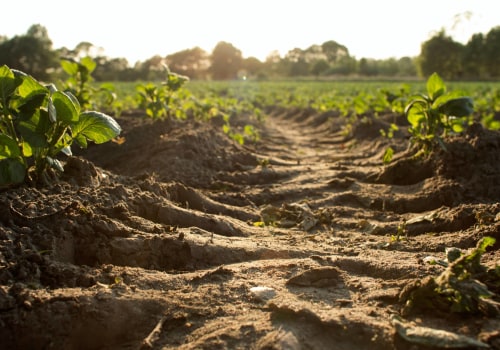
Regenerative agriculture is an innovative approach to farming that seeks to restore and enhance the health of ecosystems while producing food. Unlike conventional agricultural practices that often deplete soil health and biodiversity, regenerative agriculture focuses on working with nature to create resilient farming systems. This method emphasizes the importance of soil health, biodiversity, and ecosystem services, aiming not only to sustain but also to regenerate the land for future generations.At its core, regenerative agriculture is built upon several key principles. These include minimizing soil disturbance, maintaining soil cover, promoting biodiversity, and integrating livestock into cropping systems.
By reducing tillage and using cover crops, farmers can improve soil structure and fertility, which in turn enhances water retention and reduces erosion. Additionally, practices such as crop rotation and agroforestry contribute to a more diverse ecosystem, which can help control pests naturally and reduce the need for chemical inputs.The benefits of regenerative agriculture extend beyond environmental restoration; they also encompass economic and social dimensions. Farmers who adopt these practices often experience increased yields over time due to improved soil health. Moreover, regenerative agriculture can lead to reduced input costs as reliance on synthetic fertilizers and pesticides diminishes.
Socially, this approach fosters community resilience by encouraging local food systems and enhancing food security.In summary, regenerative agriculture represents a holistic approach that not only addresses the immediate needs of food production but also prioritizes the long-term health of our planet. By understanding its principles and benefits, farmers and consumers alike can contribute to a more sustainable agricultural future.
The Economic Challenges of Transitioning to Regenerative Practices
Transitioning to regenerative agriculture presents a unique set of economic challenges that can deter farmers from adopting these sustainable practices. Understanding these financial hurdles is crucial for both current and prospective farmers who are considering this shift.One of the primary economic challenges is the initial investment required to implement regenerative practices. Farmers often need to invest in new equipment, seeds, and training to effectively transition from conventional methods.This upfront cost can be daunting, especially for small-scale farmers or those operating on tight margins. The financial burden is compounded by the fact that it may take several years before they see a return on their investment.Moreover, during the transition period, farmers may experience a decrease in yields as their soil health improves and ecosystems stabilize. This temporary drop in productivity can lead to significant financial strain, particularly for those who rely on consistent income from their crops. The uncertainty surrounding crop performance during this period can make it difficult for farmers to secure loans or attract investors.Another significant barrier is the lack of access to financial resources tailored for regenerative practices.
Traditional lending institutions often do not understand the long-term benefits of regenerative agriculture, leading to a reluctance to provide funding. This gap in financial support can leave many farmers feeling isolated and unsupported as they navigate the complexities of transitioning their operations.Additionally, there are systemic issues at play that exacerbate these challenges. Many existing agricultural policies favor conventional farming methods, which can create an uneven playing field for those attempting to adopt regenerative practices. Without adequate policy support and incentives, farmers may find it economically unfeasible to make the switch.To overcome these economic challenges, it is essential for stakeholders—including government agencies, agricultural organizations, and financial institutions—to collaborate in creating supportive frameworks.
This could involve offering grants, low-interest loans, or technical assistance specifically designed for farmers transitioning to regenerative agriculture.In conclusion, while the journey towards regenerative agriculture is fraught with economic challenges, understanding these barriers is the first step toward finding viable solutions. By addressing financial risks and providing necessary resources, we can pave the way for a more sustainable agricultural future.
Financial Support and Incentives for Farmers
Transitioning to regenerative agriculture can be a daunting task for many farmers, primarily due to the financial implications involved. However, various financial support mechanisms are available to ease this transition and make sustainable practices more economically viable.Government Grants and Programs
- USDA Programs: The United States Department of Agriculture (USDA) offers several programs aimed at supporting farmers who wish to adopt regenerative practices. Programs such as the Environmental Quality Incentives Program (EQIP) provide financial assistance for implementing conservation practices that improve soil health and water quality.
- Conservation Stewardship Program (CSP): This program rewards farmers for maintaining and enhancing their conservation systems.
By participating, farmers can receive annual payments for adopting practices that promote sustainability.
- Grants for Sustainable Farming: Various state and local governments also offer grants specifically designed for sustainable farming initiatives. These grants can cover costs associated with transitioning to regenerative methods, such as purchasing cover crops or implementing no-till farming.
Private Funding Options
- Nonprofit Organizations: Numerous nonprofit organizations focus on promoting sustainable agriculture and may offer grants or low-interest loans to farmers looking to transition. Organizations like The Nature Conservancy and Rodale Institute often have funding opportunities available.
- Crowdfunding: Farmers can also explore crowdfunding platforms that allow them to raise money directly from consumers who are interested in supporting sustainable agriculture. This approach not only provides financial support but also builds a community around regenerative practices.
- Sustainable Agriculture Research and Education (SARE): SARE offers grants for research and education projects that advance sustainable farming practices.
Farmers can apply for funding to test new regenerative techniques on their farms.
Leveraging Financial Support
To maximize the benefits of these financial support options, farmers should consider collaborating with local agricultural extension services or sustainability organizations. These entities can provide guidance on navigating the application processes for grants and programs, ensuring that farmers can access the resources they need to successfully implement regenerative agriculture.In conclusion, while the transition to regenerative agriculture may present financial challenges, a variety of support mechanisms exist to assist farmers in overcoming these barriers. By taking advantage of government incentives, private funding options, and community resources, farmers can make informed decisions that lead to a more sustainable future.
Innovative Solutions to Enhance Economic Viability
As the agricultural landscape evolves, regenerative agriculture is increasingly recognized for its potential to not only restore ecosystems but also enhance economic viability. Innovative solutions are essential for farmers looking to transition to these sustainable practices while maintaining profitability.Here, we explore several cutting-edge technologies and practices that can significantly improve the economic outcomes of regenerative agriculture.
Biotechnology in Agriculture
One of the most promising avenues for enhancing the economic viability of regenerative agriculture is through biotechnology. By developing crop varieties that are specifically tailored for low-input systems, farmers can reduce their reliance on chemical fertilizers and pesticides. For instance, genetically modified organisms (GMOs) can be engineered to exhibit traits such as drought resistance and pest tolerance, which are crucial in minimizing input costs and maximizing yields.Moreover, biotechnology can facilitate the development of cover crops that improve soil health and biodiversity. These crops not only protect the soil from erosion but also enhance nutrient cycling, leading to healthier ecosystems that can support higher productivity over time.Sustainable Farming Technologies
The integration of sustainable farming technologies is another key factor in making regenerative agriculture economically viable.Precision agriculture tools, such as drones and soil sensors, allow farmers to monitor crop health and soil conditions in real-time. This data-driven approach enables more efficient resource allocation, reducing waste and increasing overall farm productivity.Additionally, the use of automated machinery can streamline labor-intensive processes such as planting and harvesting. By investing in these technologies, farmers can lower operational costs while improving efficiency, ultimately leading to better profit margins.
Innovative Practices in Regenerative Agriculture
Beyond technology, innovative practices play a crucial role in enhancing the economic viability of regenerative agriculture. Techniques such as agroforestry, which combines trees with crops or livestock, can create diverse income streams while improving land resilience.This practice not only sequesters carbon but also provides shade and habitat for beneficial wildlife.Furthermore, implementing rotational grazing systems can optimize pasture use and improve soil health. By allowing pastures to rest and recover, farmers can increase forage quality and quantity, leading to healthier livestock and reduced feed costs.In conclusion, embracing innovative solutions such as biotechnology, sustainable farming technologies, and forward-thinking practices is vital for enhancing the economic viability of regenerative agriculture. By leveraging these advancements, farmers can not only contribute to environmental sustainability but also secure their financial future in an ever-changing agricultural landscape.
Case Studies: Successful Implementation of Regenerative Agriculture
Real-world examples of farms successfully implementing regenerative agriculture practices provide invaluable insights and inspiration for those considering a transition. These case studies not only demonstrate the feasibility of regenerative methods but also highlight the diverse benefits they can offer.One notable example is White Oak Pastures in Bluffton, Georgia.This farm has embraced regenerative practices by integrating livestock into their cropping systems. By utilizing rotational grazing, they have improved soil health, increased biodiversity, and enhanced carbon sequestration. The farm has reported a significant increase in pasture productivity and a reduction in the need for chemical fertilizers, showcasing how regenerative agriculture can lead to both environmental and economic benefits.Another inspiring case is Polyface Farm in Virginia, operated by Joel Salatin. This farm is renowned for its innovative approach to sustainable farming.
Salatin employs a method called "mob grazing," where livestock are moved frequently to prevent overgrazing and promote soil regeneration. This practice not only improves soil structure but also enhances nutrient cycling, leading to healthier crops and livestock. Polyface Farm has become a model for many aspiring regenerative farmers, demonstrating that profitability can coexist with ecological stewardship.
The Rodale Institute
, located in Pennsylvania, serves as a research hub for regenerative agriculture. Their long-term studies have shown that organic and regenerative practices can outperform conventional methods in terms of yield stability and resilience against climate extremes.
By sharing their findings with farmers through workshops and training programs, they empower others to adopt similar practices.In California, Frog Hollow Farm has successfully implemented regenerative techniques by focusing on biodiversity and soil health. They utilize cover crops and composting to enhance soil fertility while reducing reliance on synthetic inputs. This approach has not only improved crop yields but also increased the farm's resilience to drought conditions.These case studies illustrate that regenerative agriculture is not just a theoretical concept but a practical approach that can lead to sustainable farming success. By learning from these examples, farmers can find inspiration and guidance on how to implement similar practices in their own operations.
Community Engagement and Education in Regenerative Agriculture
Engaging communities in the principles and practices of regenerative agriculture is essential for fostering a sustainable agricultural future.Community involvement not only enhances the adoption of regenerative practices but also strengthens social ties and resilience among farmers and local residents. By creating a network of support, communities can share resources, knowledge, and experiences that are vital for successful transitions to regenerative methods.One effective way to promote community engagement is through educational programs that focus on sustainable farming practices. These programs can take various forms, including workshops, seminars, and hands-on training sessions. By providing farmers with the tools and knowledge they need to implement regenerative techniques, such as cover cropping, crop rotation, and holistic grazing management, these initiatives empower them to make informed decisions about their farming practices.Moreover, establishing farmer networks can significantly enhance the dissemination of information regarding regenerative practices.
These networks serve as platforms for farmers to connect, share their successes and challenges, and collaborate on projects that promote sustainability. For instance, local cooperatives can facilitate group purchasing of organic seeds or equipment that supports regenerative agriculture, thereby reducing costs and increasing accessibility for smaller farms.In addition to formal education programs, community engagement can be fostered through local events such as farm tours, open houses, and community-supported agriculture (CSA) initiatives. These events allow consumers to connect directly with farmers practicing regenerative agriculture, creating a sense of trust and transparency in the food system. When consumers understand the benefits of supporting regenerative practices—such as improved soil health and reduced chemical use—they are more likely to choose products from these farmers.Furthermore, schools and universities can play a pivotal role in promoting education in sustainable farming.
Integrating regenerative agriculture into curricula not only raises awareness among future generations but also encourages young people to consider careers in sustainable agriculture. By fostering a culture of sustainability within educational institutions, we can inspire a new wave of farmers who are committed to ecological stewardship.Ultimately, the success of regenerative agriculture hinges on collective action and shared knowledge within communities. By prioritizing community engagement and education, we can create a robust support system that empowers farmers to adopt regenerative practices while simultaneously enhancing community resilience and social responsibility.
Policy Recommendations for Supporting Regenerative Agriculture
To foster the growth of regenerative agriculture, it is essential to implement targeted policy changes that address the unique challenges faced by farmers transitioning to these sustainable practices. Below are several key recommendations for policymakers aimed at supporting regenerative agriculture:- Financial Incentives: Establishing financial support mechanisms, such as grants, low-interest loans, and tax breaks, can significantly reduce the economic burden on farmers adopting regenerative practices.
These incentives should be tailored to assist small and minority-owned farms that often lack access to capital.
- Research and Development Funding: Increased funding for research into regenerative agricultural techniques is crucial. This includes developing crop varieties that thrive in low-input systems and studying the long-term benefits of regenerative practices on soil health and biodiversity.
- Education and Training Programs: Implementing comprehensive education programs for farmers can facilitate the transition to regenerative methods. Workshops, online courses, and mentorship opportunities can equip farmers with the knowledge and skills necessary to succeed.
- Market Access Initiatives: Policies that promote local food systems can enhance market access for regenerative farmers. This includes supporting farmers' markets, community-supported agriculture (CSA) programs, and farm-to-school initiatives that prioritize locally sourced products.
- Land Use Policies: Revising land use policies to favor regenerative practices can create a more supportive environment for sustainable farming.
This may involve zoning changes that allow for diverse agricultural practices and protecting land from urban sprawl.
- Collaboration with NGOs: Partnering with non-governmental organizations (NGOs) can amplify efforts to promote regenerative agriculture. NGOs often have established networks and resources that can help disseminate information and provide support to farmers.
Conclusion: The Path Forward for Regenerative Agriculture
As we conclude our exploration of regenerative agriculture and its economic viability, it is essential to reflect on the multifaceted benefits and challenges that this innovative approach presents.Throughout this article, we have highlighted the significant potential of regenerative practices to not only enhance soil health and biodiversity but also to create sustainable economic opportunities for farmers across various scales.The transition to regenerative agriculture is not merely a trend; it represents a fundamental shift in how we perceive farming and its role in our ecosystem. By prioritizing practices that restore rather than deplete, we can foster resilience in our food systems, which is increasingly vital in the face of climate change and environmental degradation.However, the journey toward making regenerative agriculture economically viable is fraught with challenges. Financial barriers remain a significant hurdle, particularly for smallholder and minority farmers who often lack access to the necessary resources and support systems. To overcome these obstacles, it is crucial for stakeholders—including government agencies, agricultural organizations, and private investors—to collaborate in creating comprehensive support frameworks.
- Financial Support: Establishing grants, low-interest loans, and subsidies specifically aimed at farmers transitioning to regenerative practices can alleviate financial strain.
- Education and Training: Providing technical assistance and educational resources will empower farmers with the knowledge needed to implement regenerative techniques effectively.
- Market Access: Developing markets for products grown through regenerative methods can enhance profitability and incentivize more farmers to adopt these practices.
By building networks that connect farmers with similar goals, we can create a supportive environment that encourages experimentation and innovation.In summary, the path forward for regenerative agriculture lies in addressing economic barriers while promoting the inherent benefits of these practices. As we move toward a more sustainable future, it is imperative that we recognize the value of regenerative agriculture not just as an alternative method but as a necessary evolution in our agricultural systems. By investing in this transformative approach, we can ensure a healthier planet and a more equitable food system for generations to come.