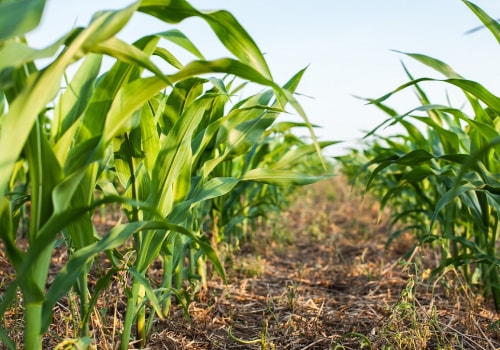
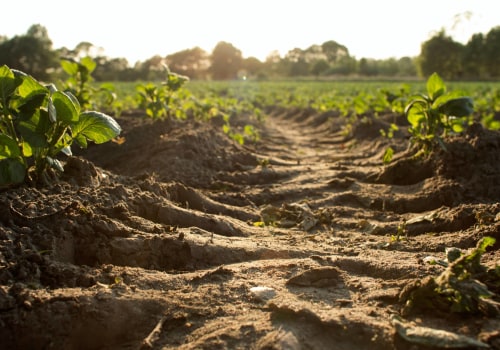
In recent years, the term regenerative agriculture has gained significant traction as a transformative approach to farming that seeks to restore and enhance the health of our planet's ecosystems. At its core, regenerative agriculture is defined as a holistic farming practice that prioritizes the regeneration of soil health, biodiversity, and ecosystem services. Unlike conventional agricultural methods that often deplete natural resources, regenerative practices aim to create a sustainable balance between agricultural productivity and environmental stewardship.The importance of regenerative agriculture cannot be overstated, especially in the context of escalating climate change and environmental degradation. As traditional farming techniques contribute to soil erosion, loss of biodiversity, and increased greenhouse gas emissions, regenerative agriculture offers a viable solution by focusing on practices that improve soil structure, enhance water retention, and promote carbon sequestration.
This not only benefits the environment but also leads to healthier food systems and resilient agricultural communities.Moreover, regenerative agriculture encompasses a variety of practices such as cover cropping, crop rotation, agroforestry, and reduced tillage. These methods work synergistically to build soil organic matter, increase microbial activity, and foster a diverse ecosystem that supports both plant and animal life. By adopting these practices, farmers can not only improve their yields but also contribute positively to the global fight against climate change.As we delve deeper into the principles and practices of regenerative agriculture throughout this article, it becomes clear that this approach is not merely an alternative to conventional farming; it represents a necessary evolution in our agricultural systems. By embracing regenerative agriculture, we can pave the way for a more sustainable future that prioritizes the health of our planet while ensuring food security for generations to come.
Key Principles of Regenerative Agriculture
At the heart of regenerative agriculture lies a set of core principles that guide farmers and land managers in their quest to create sustainable and resilient agricultural systems.These principles not only focus on enhancing productivity but also emphasize the importance of ecological balance and long-term environmental health.
1.Soil Health
One of the foundational principles of regenerative agriculture is the enhancement of soil health. Healthy soil is teeming with life, including microorganisms, fungi, and earthworms, all of which contribute to nutrient cycling and soil structure. Practices such as cover cropping, reduced tillage, and composting are employed to build organic matter, improve soil structure, and increase water retention. By prioritizing soil health, farmers can create a living ecosystem that supports plant growth and reduces the need for synthetic fertilizers.
2.Biodiversity
Biodiversity is another critical principle in regenerative agriculture.
A diverse range of crops and livestock not only enhances resilience against pests and diseases but also promotes a balanced ecosystem. Farmers are encouraged to implement crop rotation, intercropping, and the integration of livestock into cropping systems. These practices help to mimic natural ecosystems, fostering a variety of species that contribute to overall farm health.
3.Ecosystem Restoration
The restoration of ecosystems is a vital aspect of regenerative agriculture. This involves rehabilitating degraded lands, restoring natural habitats, and enhancing ecosystem services such as pollination and water filtration.
Techniques like agroforestry, which combines trees with crops or livestock, can significantly improve biodiversity while providing additional income streams for farmers.
4.Holistic Management
A holistic approach to farm management is essential in regenerative agriculture. This means considering the entire farm as an interconnected system where every decision impacts multiple aspects of the ecosystem. By adopting practices that promote synergy among crops, livestock, and natural resources, farmers can create a more sustainable farming model that benefits both the environment and their livelihoods.
5.Community Engagement
Finally, community engagement plays a crucial role in regenerative agriculture. Farmers are encouraged to collaborate with local communities, share knowledge, and participate in cooperative initiatives that promote sustainable practices.
This not only strengthens local food systems but also fosters a sense of stewardship towards the land.In summary, the principles of regenerative agriculture—soil health, biodiversity, ecosystem restoration, holistic management, and community engagement—form a comprehensive framework for sustainable farming techniques that aim to restore ecological balance while ensuring food security for future generations.
Benefits of Regenerative Agriculture
Adopting regenerative agriculture practices offers a multitude of benefits that extend beyond mere crop yields. These advantages can be categorized into environmental, economic, and social dimensions, each contributing to a more sustainable agricultural system.Environmental Benefits
One of the most significant environmental benefits of regenerative agriculture is the enhancement of soil health. By employing techniques such as cover cropping, reduced tillage, and crop rotation, farmers can improve soil structure and fertility. Healthy soils are rich in organic matter, which not only supports plant growth but also enhances water retention and reduces erosion.Moreover, regenerative practices promote biodiversity.Diverse ecosystems are more resilient to pests and diseases, reducing the need for chemical inputs. For instance, integrating livestock into crop systems can create a balanced ecosystem where animals contribute to soil fertility through their manure while also controlling weeds naturally.Another critical aspect is carbon sequestration. Regenerative agriculture has the potential to capture atmospheric carbon dioxide and store it in the soil. This process mitigates climate change by reducing greenhouse gas emissions.
Studies have shown that practices like agroforestry and perennial cropping systems can significantly increase carbon storage in soils.
Economic Advantages
The economic benefits of regenerative agriculture are equally compelling. Farmers who implement these practices often experience increased resilience against market fluctuations and climate-related challenges. By diversifying crops and integrating livestock, farmers can create multiple income streams, reducing their dependence on a single crop.Additionally, regenerative agriculture can lead to lower input costs. By minimizing reliance on synthetic fertilizers and pesticides, farmers can save money while simultaneously improving their land's health.This shift not only enhances profitability but also fosters long-term sustainability.Furthermore, consumers are increasingly seeking products that are sustainably sourced. This growing demand for regenerative products allows farmers to command premium prices for their goods, further enhancing their economic viability.In conclusion, the transition to regenerative agriculture presents a holistic approach that benefits not only the environment but also the economic stability of farming communities. By focusing on soil health, biodiversity, and sustainable practices, regenerative agriculture paves the way for a resilient agricultural future.
Regenerative Agriculture Practices in Action
Regenerative agriculture practices are being successfully implemented across various agricultural systems and climates, showcasing their versatility and effectiveness. Here are some notable case studies that highlight the transformative power of these methods.Case Study 1: Polyface Farm, Virginia
Polyface Farm, operated by Joel Salatin, is a prime example of regenerative agriculture in action.This farm utilizes a holistic management approach that integrates livestock and crop production. By employing rotational grazing techniques, Salatin allows animals to graze on pasture for short periods, which promotes soil health and biodiversity. The manure from the livestock acts as a natural fertilizer, enriching the soil without the need for synthetic inputs. As a result, Polyface Farm has seen improved soil structure, increased carbon sequestration, and enhanced ecosystem services.
Case Study 2: The Rodale Institute, Pennsylvania
The Rodale Institute has been at the forefront of regenerative agriculture research for decades.Their long-term studies demonstrate that organic farming practices can outperform conventional methods in terms of soil health and crop yields. By implementing cover cropping, reduced tillage, and crop rotation, the Rodale Institute has shown that regenerative practices can significantly increase soil organic matter and improve water retention. Their findings have influenced farmers nationwide to adopt similar practices, leading to healthier soils and more resilient farming systems.
Case Study 3: Kiss the Ground Initiative
The Kiss the Ground initiative focuses on educating farmers about regenerative practices and providing resources for implementation. Through their programs, they have helped numerous farms transition from conventional to regenerative methods.One success story involves a California vineyard that adopted cover cropping and composting techniques. This shift not only improved soil fertility but also enhanced grape quality and increased biodiversity within the vineyard ecosystem.
Case Study 4: The Savory Institute
The Savory Institute promotes holistic management practices worldwide, particularly in arid regions where land degradation is prevalent. Their work with ranchers in Africa has demonstrated how planned grazing can restore degraded grasslands. By mimicking natural herd movements, these ranchers have seen a revival of native grasses and an increase in wildlife populations.This approach not only improves land productivity but also contributes to carbon sequestration efforts.These case studies illustrate that regenerative agriculture is not just a theoretical concept but a practical solution that can be tailored to various environments and farming systems. As more farmers adopt these practices, the potential for widespread ecological restoration and climate resilience becomes increasingly attainable.
Challenges and Misconceptions about Regenerative Agriculture
Despite the numerous benefits of regenerative agriculture, several challenges and misconceptions hinder its widespread adoption. Understanding these barriers is crucial for farmers, policymakers, and consumers who wish to support sustainable agricultural practices.Common Misconceptions
One prevalent misconception is that regenerative agriculture is merely a trend or a marketing gimmick. Critics often argue that it lacks scientific backing or that it is just a rebranding of existing sustainable practices.However, extensive research supports the efficacy of regenerative methods in improving soil health, enhancing biodiversity, and sequestering carbon. It is essential to differentiate between genuine regenerative practices and those that merely claim to be regenerative without evidence.
Barriers to Adoption
Farmers face several practical challenges when transitioning to regenerative agriculture:- Financial Constraints: The initial investment required for new equipment, seeds, and training can be daunting. Many farmers operate on tight margins and may hesitate to invest in practices that do not yield immediate financial returns.
- Lack of Knowledge: A significant barrier is the lack of access to information and education about regenerative practices. Farmers may not be aware of the benefits or how to implement these methods effectively.
- Market Access: There is often limited market demand for products grown using regenerative methods.
Without consumer awareness and willingness to pay a premium for sustainably produced goods, farmers may find it challenging to justify the transition.
- Cultural Resistance: Traditional farming communities may resist change due to long-standing practices and beliefs. Overcoming this cultural inertia requires effective communication and demonstration of the benefits of regenerative approaches.
Overcoming Challenges
To address these challenges, stakeholders can take several steps:- Education and Training: Providing resources, workshops, and training programs can equip farmers with the knowledge needed to implement regenerative practices successfully.
- Financial Support: Governments and organizations can offer grants, subsidies, or low-interest loans to help farmers transition without incurring crippling debt.
- Building Consumer Awareness: Increasing public understanding of the benefits of regenerative agriculture can create demand for sustainably produced products, encouraging more farmers to adopt these practices.
- Cultivating Community Support: Fostering a community around regenerative agriculture can help share experiences, successes, and challenges, creating a supportive network for farmers.
The Role of Technology in Regenerative Agriculture
In the evolving landscape of regenerative agriculture, technology plays a pivotal role in enhancing practices that promote sustainability and ecological balance. The integration of advanced tools and methodologies not only streamlines farming operations but also amplifies the positive impacts on soil health, biodiversity, and climate resilience.One of the most significant innovations in this field is precision farming. This approach utilizes data-driven technologies to optimize field-level management regarding crop farming.By employing tools such as GPS-guided tractors, drones, and soil sensors, farmers can gather real-time data on soil conditions, moisture levels, and crop health. This information allows for targeted interventions, reducing waste and minimizing the use of chemical inputs.Moreover, data analytics has emerged as a game-changer in regenerative agriculture. Farmers can analyze historical data alongside current metrics to make informed decisions about crop rotation, cover cropping, and nutrient management. For instance, predictive analytics can forecast the best planting times based on weather patterns and soil conditions, ensuring that crops are sown under optimal circumstances.Another technological advancement is the use of biotechnology.
Innovations such as genetically modified organisms (GMOs) can be designed to enhance resilience against pests and diseases while requiring fewer chemical treatments. However, it is essential to approach biotechnology with caution, ensuring that it aligns with the principles of regenerative practices.Furthermore, the rise of agricultural apps has made it easier for farmers to access information and resources that support regenerative practices. These applications can provide guidance on best practices for soil management, pest control, and crop selection tailored to specific regional conditions.In conclusion, the role of technology in regenerative agriculture is multifaceted and transformative. By harnessing innovations such as precision farming tools and data analytics, farmers can enhance their sustainability efforts while improving productivity.
As we continue to explore these advancements, it is crucial to ensure that they are implemented in ways that genuinely support ecological health and community well-being.
Policy Implications and Support for Regenerative Agriculture
The transition to regenerative agriculture is not solely a grassroots movement; it requires robust support from policymakers and government initiatives. The role of policy in promoting regenerative practices is crucial, as it can create an enabling environment for farmers to adopt sustainable methods that restore soil health, enhance biodiversity, and combat climate change.One of the primary ways that governments can support regenerative agriculture is through the establishment of certification programs. These programs provide farmers with a framework to demonstrate their commitment to sustainable practices. Certification can also serve as a marketing tool, allowing consumers to make informed choices about the products they purchase.For instance, programs like the Regenerative Organic Certification (ROC) set rigorous standards for soil health, animal welfare, and social fairness, encouraging farmers to adopt practices that align with regenerative principles.In addition to certification, government initiatives can include financial incentives such as grants, subsidies, and low-interest loans specifically aimed at farmers transitioning to regenerative practices. These financial supports can alleviate the initial costs associated with changing farming methods, such as investing in cover crops or implementing rotational grazing systems. For example, the U. S.
Department of Agriculture (USDA) has introduced programs like the Environmental Quality Incentives Program (EQIP), which provides funding for practices that improve soil health and water quality.Moreover, policymakers can facilitate knowledge sharing and education through workshops and training programs focused on regenerative techniques. By partnering with agricultural extension services and local universities, governments can help disseminate research and practical knowledge about successful regenerative practices. This educational support is vital for farmers who may be unfamiliar with these methods or skeptical about their effectiveness.Finally, it is essential for policymakers to engage with farmers directly to understand their challenges and needs. By fostering a dialogue between government agencies and agricultural communities, policies can be tailored to address specific regional issues while promoting the broader goals of regenerative agriculture.
This collaborative approach not only empowers farmers but also ensures that policies are grounded in real-world experiences.In conclusion, the role of policy in supporting regenerative agriculture is multifaceted. Through certification programs, financial incentives, educational initiatives, and direct engagement with farmers, policymakers can create a supportive framework that encourages the adoption of regenerative practices. As we face increasing environmental challenges, such proactive measures are essential for building a resilient agricultural system that benefits both the planet and its inhabitants.
Future Trends in Regenerative Agriculture
As we look towards the future of regenerative agriculture, several key trends and predictions are emerging that could significantly shape the landscape of farming and food production. These trends not only reflect a growing awareness of environmental issues but also highlight the potential for innovation within agricultural practices.1.Increased Adoption of Technology
- Precision Agriculture: The integration of technology such as drones, sensors, and satellite imagery is expected to become more prevalent.
These tools can help farmers monitor soil health, crop conditions, and biodiversity, allowing for more informed decision-making.
- Data-Driven Practices: With advancements in data analytics, farmers will increasingly rely on data to optimize their regenerative practices. This includes tracking carbon sequestration rates and soil health metrics to demonstrate the effectiveness of their methods.
2.Growing Market Demand for Sustainable Products
As consumers become more environmentally conscious, the demand for products derived from regenerative agriculture is likely to rise. This shift will encourage farmers to adopt regenerative practices not only for environmental benefits but also for economic viability. Retailers and brands may increasingly seek partnerships with regenerative farms to meet consumer expectations.
3.Policy Support and Incentives
Governments are beginning to recognize the importance of sustainable farming practices in combating climate change.
Future policies may include financial incentives for farmers who implement regenerative techniques, such as carbon credits or subsidies for sustainable practices. This support could accelerate the transition towards regenerative agriculture on a larger scale.
4.Community and Collaborative Approaches
The future of regenerative agriculture may also see a rise in community-based initiatives where farmers collaborate to share resources, knowledge, and best practices. This cooperative model can enhance resilience against climate impacts while fostering a sense of community among producers.
5.Education and Awareness
As awareness of regenerative agriculture grows, educational programs aimed at both farmers and consumers will become increasingly important. Workshops, online courses, and community outreach can help disseminate knowledge about regenerative practices and their benefits, paving the way for broader adoption.In conclusion, the future of regenerative agriculture is poised for significant transformation driven by technological advancements, market dynamics, supportive policies, collaborative efforts, and increased education.
As these trends unfold, they hold the promise of creating a more sustainable and resilient agricultural system that benefits both the planet and its inhabitants.
Conclusion: Embracing a Regenerative Future
As we conclude our exploration of regenerative agriculture, it is essential to reflect on the transformative potential this approach holds for our planet and future generations. Throughout this article, we have delved into the principles and practices that define regenerative agriculture, emphasizing its role in restoring soil health, enhancing biodiversity, and combating climate change.The key takeaway is that regenerative agriculture is not merely a trend; it represents a fundamental shift in how we perceive and interact with our agricultural systems. By prioritizing practices that regenerate rather than deplete our natural resources, we can create a more sustainable food system that benefits both the environment and humanity.Moreover, the implications of adopting regenerative practices extend beyond individual farms. They resonate throughout entire communities and ecosystems.As farmers implement these methods, they contribute to a larger movement aimed at reversing environmental degradation and fostering resilience against climate-related challenges. This collective effort can lead to improved water quality, enhanced carbon sequestration, and a more stable climate.However, the success of this movement relies on the active participation of all stakeholders—farmers, consumers, policymakers, and educators. Each of us has a role to play in promoting and supporting regenerative practices. Consumers can make informed choices by seeking out products from regenerative sources, while policymakers can create frameworks that incentivize sustainable farming methods.In conclusion, embracing a regenerative future is not just an option; it is a necessity for ensuring the health of our planet and the well-being of future generations.
As we move forward, let us commit to fostering a culture of regeneration in agriculture and beyond. Together, we can cultivate a resilient ecosystem that thrives on harmony with nature.